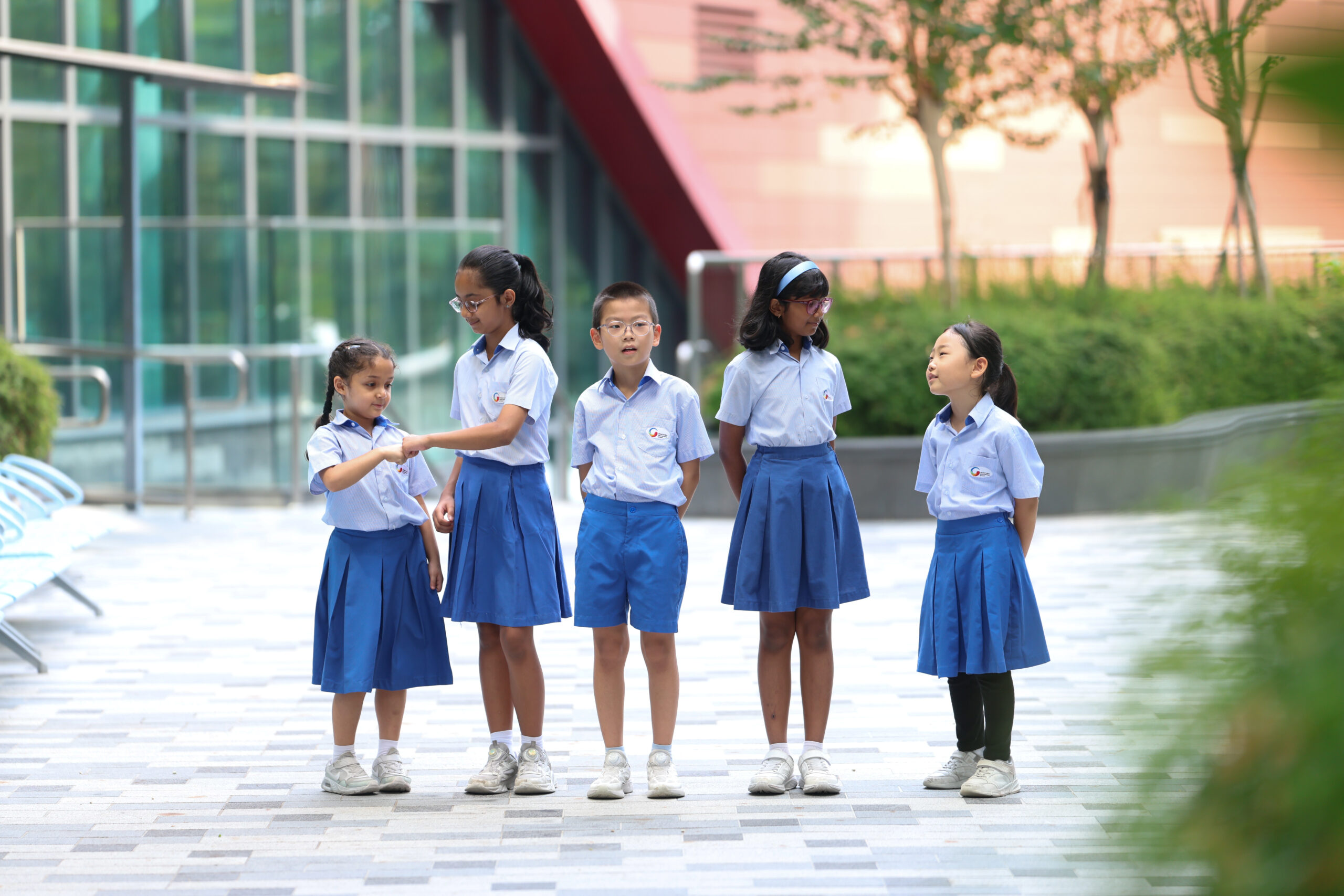
As our planet faces urgent environmental challenges, from climate change and pollution to the depletion of natural resources, sustainability has become a defining need of our time. Answering this call, Every Student a Sustainability Ambassador (ESSA) was launched during GED-MCOP 2024 by our CEO, Mr. Rajeev Katyal, with a compelling vision: to empower students as proactive agents of environmental stewardship and change in their schools, homes, and communities. ESSA goes beyond traditional education, inspiring young people to embrace sustainable habits, lead impactful initiatives, and drive lasting transformation for a healthier planet.
ESSA is more than just a Programme; it is a movement that instills a profound sense of responsibility in students. Through hands-on activities and competitions, they are equipped with the knowledge and skills needed to integrate sustainability into daily life and inspire others to do the same. ESSA aligns closely with the United Nations Sustainable Development Goals (SDGs), reflecting our commitment to meaningful action for planetary protection.
ESSA also reflects a wider shift in education, where sustainability is moving from an occasional activity to a core part of how schools plan teaching and learning, as explained below

Core Objectives and Values of ESSA
ESSA is built upon three core principles that guide students in their sustainability journeys:
- Empowering Leadership: ESSA fosters a generation of young leaders who are encouraged to take ownership of sustainability projects that benefit their communities.
- Community Impact: The Programme emphasises that change begins at home, empowering students to address local issues and make a tangible, positive difference.
- Practical Sustainability Skills: ESSA teaches essential skills such as waste management, water conservation, and project planning, equipping students to contribute effectively to environmental initiatives.
These guiding principles ensure that ESSA nurtures a generation of environmentally conscious leaders ready to drive real change in their surroundings.
The Eco Showdown: A Platform for Innovation
One of the key highlights of ESSA is the Eco Showdown, a series of creative
competitions where students showcase their passion and creativity for environmental
causes through photography, art, and writing. This year, over 10,000 students
participated, each bringing a unique perspective on sustainability. These
competitions allow students to express their views in innovative ways, using visual
arts, storytelling, and narratives to inspire and educate their peers.
The Eco Showdown has proven to be a powerful platform for exploring issues like
pollution, deforestation, and biodiversity loss. In the photography category, for
example, students captured images of plastic waste along local beaches, bringing
attention to marine pollution. In writing, students shared personal stories of adopting
eco-friendly practices at home, sparking inspiration for others to follow. These
competitions are more than a creative outlet; they are an opportunity for students to
take ownership of their environmental narratives and advocate for change.

Fostering Long-Term Engagement Through ESSA Activities
ESSA encourages schools to continuously promote proactive sustainability activities that involve students, creating an enduring culture of environmental stewardship. Through initiatives like local partnerships, clean-up drives, and workshops, students are encouraged to connect with their communities to further sustainability. This fosters a shared commitment to ecological wellbeing and ensures that students actively engage in the broader social impact of their actions.

- Workshops and Training Sessions: ESSA will encourage schools to organise workshops on topics like sustainable gardening, recycling, and renewable energy. These sessions equip students with practical knowledge they can bring back to their homes and local communities.
- Mentorship Opportunities: ESSA connects students with experienced sustainability professionals who mentor them on impactful project ideas.
- Community Clean-Up Initiatives: Students are encouraged to lead and participate in community clean-ups, creating a strong foundation of hands-on environmental stewardship.
The ESSA Booklet: A Resource for Aspiring Sustainability Leaders
In support of ESSA’s mission, we launched a comprehensive ESSA Booklet as a reference guide for students eager to embark on sustainability initiatives. This booklet serves as an essential resource, offering a blend of practical steps, case studies, and guidelines for students to design and execute their own environmental projects. It includes insights into topics such as waste reduction, water conservation, and renewable energy, providing a foundation of knowledge that empowers students to take meaningful action. With this booklet, students can not only deepen their understanding of sustainability but also gain inspiration and actionable guidance to lead impactful initiatives.

Recognition and Certification: A Symbol of Dedication
Every student who participates in a sustainability-related activity recognised under ESSA receives an official ESSA Certificate, marking their role as Sustainability Ambassadors. This certification goes beyond simple recognition; it represents the student’s commitment to environmental responsibility and serves as a valuable addition to their academic and professional portfolios. ESSA certificates highlight students’ dedication to sustainability and open doors to future opportunities, including volunteer roles and pathways in environmental science and conservation.
Every student who participate will have an opportunity to be part of sustainability-related activity recognised.
How Do Eco-Friendly School Projects Contribute to Environmental Change?
Eco-friendly school projects contribute to environmental change by turning awareness into action. They cut waste and resource use on campus, build habits students take home, and extend the impact into local communities.
Projects like those under ESSA create change in four ways:
- They reduce impact directly. Recycling, waste reduction and water conservation projects lower a school's everyday environmental footprint.
- They build lasting habits. Students who plan and run projects carry sustainable practices into their homes, as seen in the personal stories shared in the Eco Showdown writing category.
- They reach the community. Clean-up drives and local partnerships extend the effect beyond the school gate.
- They raise awareness. Student photography, such as images of plastic waste on local beaches, brings attention to issues like marine pollution.
Because students lead these projects, they also gain practical skills such as project planning and teamwork. That helps sustainable action continue beyond a single event.
More Reads: Nurturing Nature: How GSG School Gardens Inspire Learning & Sustainability
How Is Sustainability Becoming a Core Part of School Education Strategies?
Sustainability is becoming a core part of school education strategies as schools move it from occasional activities into the curriculum, campus operations, teacher training and community partnerships. Global frameworks are driving this shift, including SDG 4 and UNESCO's Greening Education Partnership.
Four changes show the shift:
- Sustainability enters the curriculum. Schools weave environmental topics into everyday subjects instead of treating them as one-off lessons.
- Schools green their campuses. Energy, water, waste and school gardens become part of how the school runs and a live learning resource.
- Teachers are trained. Staff are supported to teach sustainability confidently, as in ESSA's workshops and mentorship.
- Students and communities take part. Programmes like ESSA recognise student action, for example through certificates, and connect schools with local partners.
This direction is shaped by global commitments. SDG Target 4.7 calls for all learners to gain the knowledge and skills needed to promote sustainable development. UNESCO launched the Greening Education Partnership in 2022 to green schools, curricula, teacher training and communities.
Learn more in UNESCO's summary of the Greening Education Partnership.
A Call to Action: Join the Movement
ESSA is more than a Programme, it’s an invitation to every student, teacher, and community member to join the movement for a sustainable future. By participating in competitions, organising projects, or simply making eco-friendly choices, everyone has a role to play. We encourage you to get involved, spread the word, and support our mission to nurture a generation of sustainability ambassadors.
Together, we can create a ripple effect that extends far beyond our schools, contributing to the global effort for a greener, more sustainable world. Let’s lead the
change, one student and one community at a time.