Table of Contents
Key Takeaways:
- Diverse classrooms build empathy, respect, and stronger global understanding among students.
- Inclusive schools help students become adaptable, confident, and socio-culturally aware future professionals.
- Multicultural learning environments encourage belonging, emotional safety, and meaningful student participation.
- Strong diversity initiatives create compassionate communities and more respectful future societies.
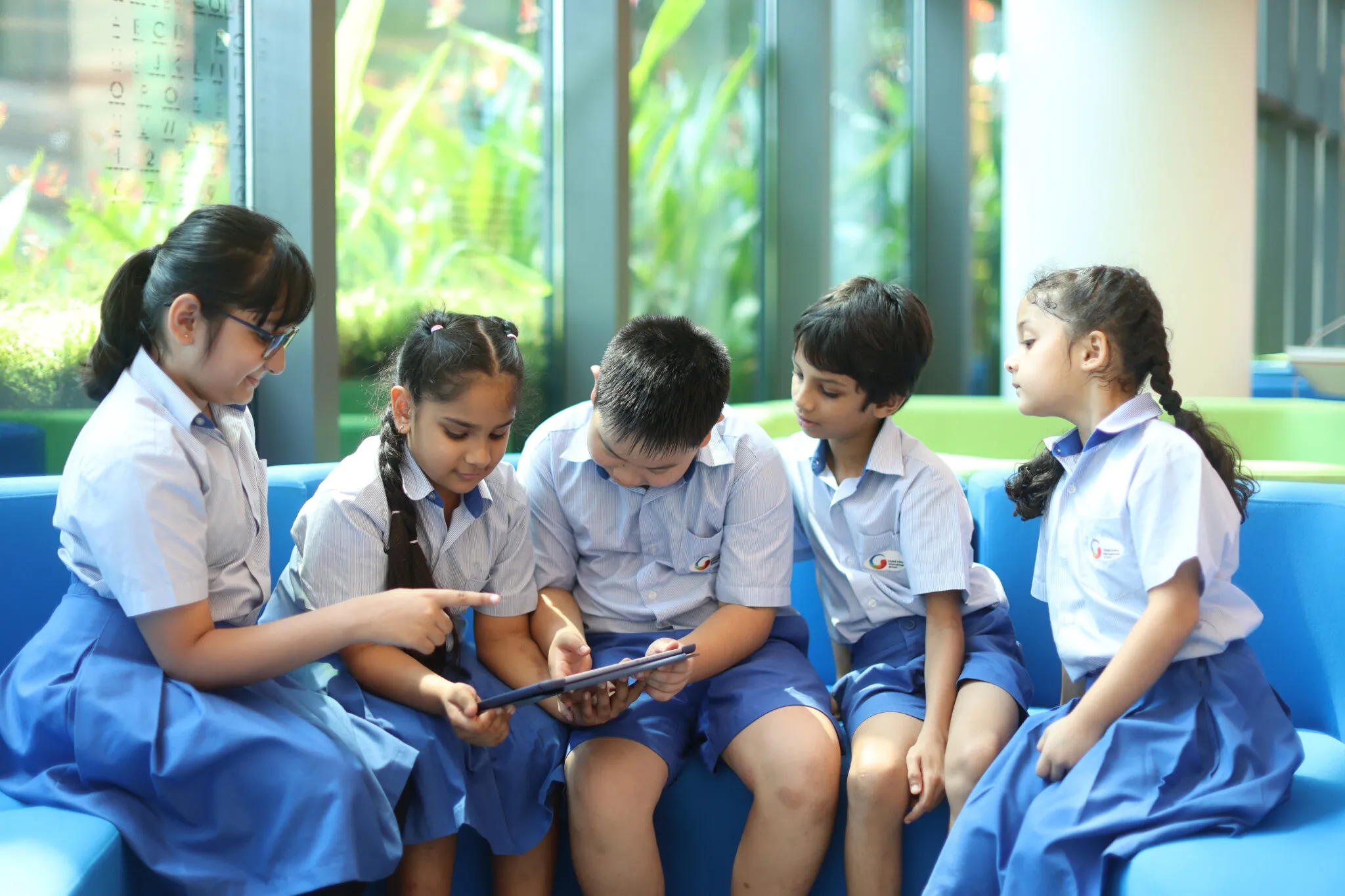
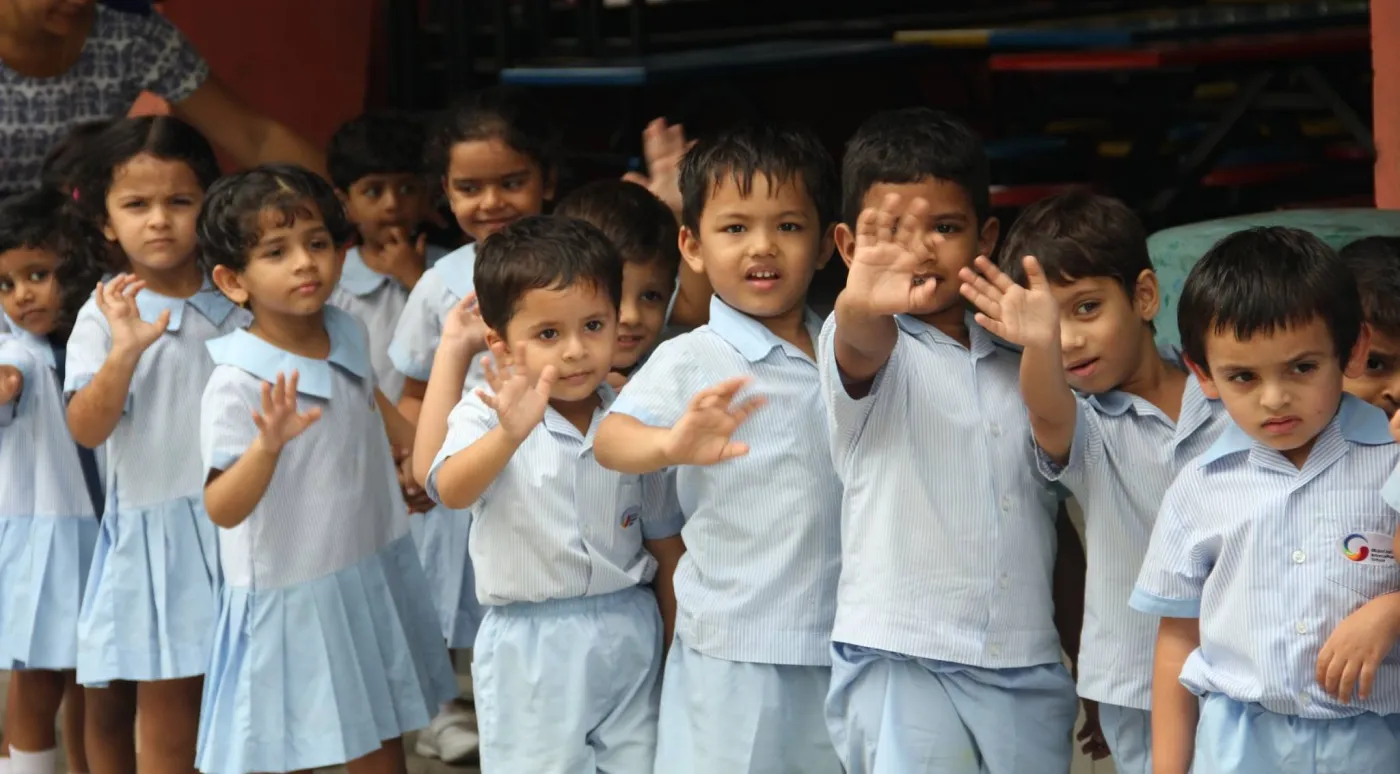
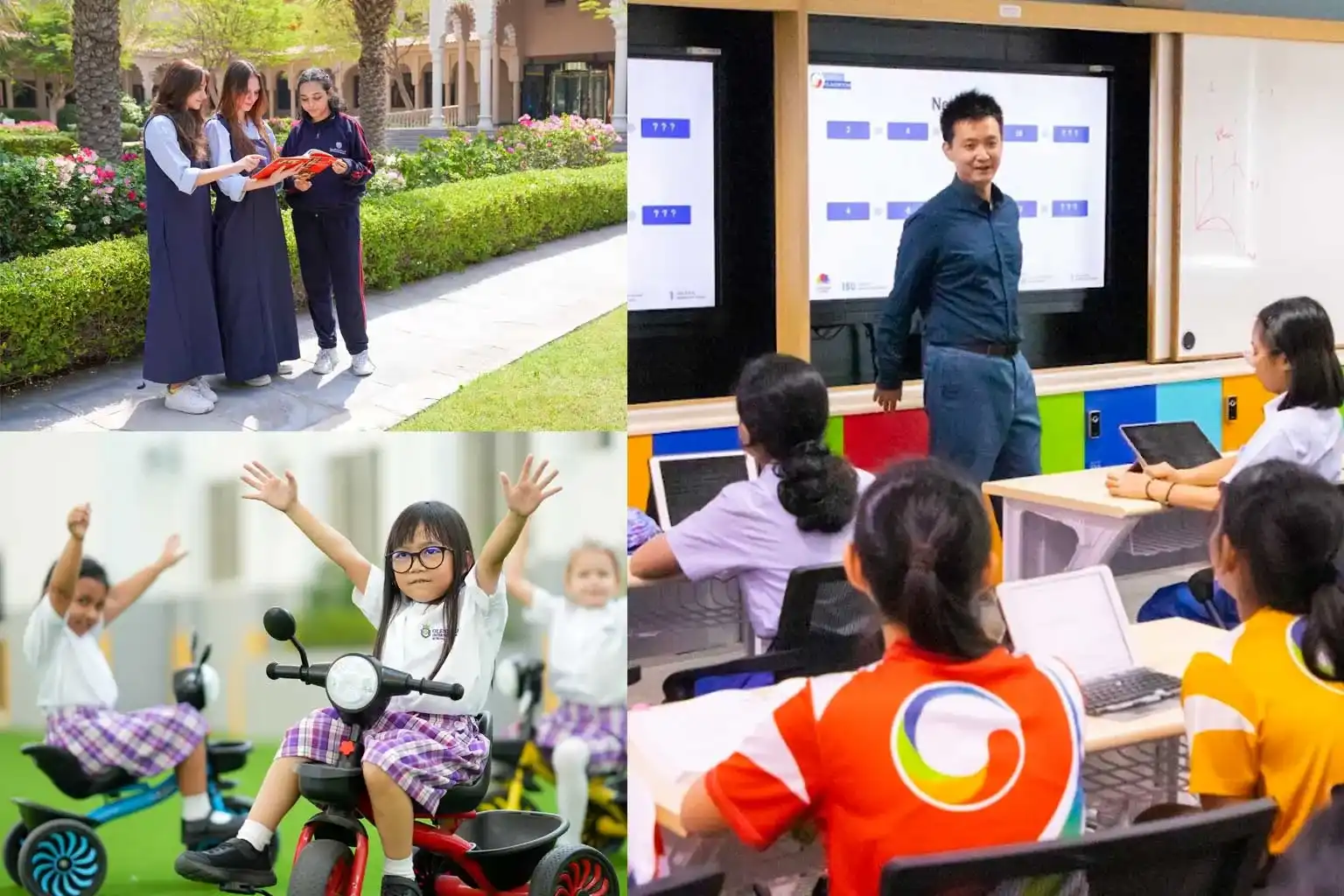
Walk into a modern classroom today and you will probably hear different accents, see different traditions being celebrated, and meet students with completely different life experiences. Modern classrooms bring together students from mixed heritage, diverse nationalities, socio-cultural and linguistic backgrounds, social classes, traditions, and experiences, helping them understand perspectives beyond their own.
Cultural diversity in schools shapes confident, empathetic, and globally aware learners while improving participation, belonging and long-term academic, social and emotional growth through inclusive and supportive learning environments.
What is Cultural Diversity in Schools?
It refers to students from different cultural, linguistic, ethnic and social backgrounds learning together. Every student brings unique language, traditions, values, perspectives, experiences and world-views into the classroom. This diversity strengthens learning by encouraging students to think critically, respectfully, and with a global perspective.
The most enduring lessons a student carries beyond the classroom are rarely found in a textbook. They are forged in the daily experience of sitting beside someone whose story is different from their own and choosing to listen.
Cultural diversity in schools is not a policy aspiration. It is a pedagogical force; one that quietly and profoundly shapes how young people think, relate, lead, and grow.

How Diverse Classrooms Support Student Development?
The biggest benefits of cultural diversity in schools are:
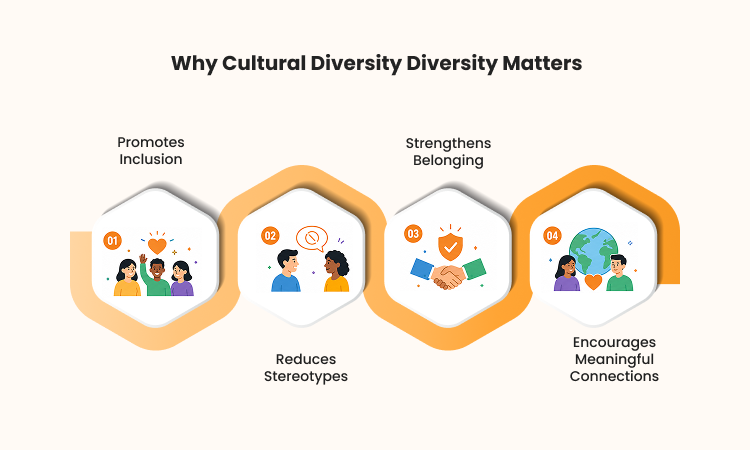
- Respect and Inclusion: Diverse classrooms create the conditions for students to move beyond tolerance toward genuine understanding, dismantling stereotypes not through lectures, but through lived experience and authentic human connection. Students become more empathetic, open-minded and accepting while reducing stereotypes and building meaningful friendships.
- Improved Communication and Social Skills: Diverse classrooms help students to listen with intention, articulate their thoughts with care, respect opinions, communicate clearly and collaborate confidently in teams across differences.
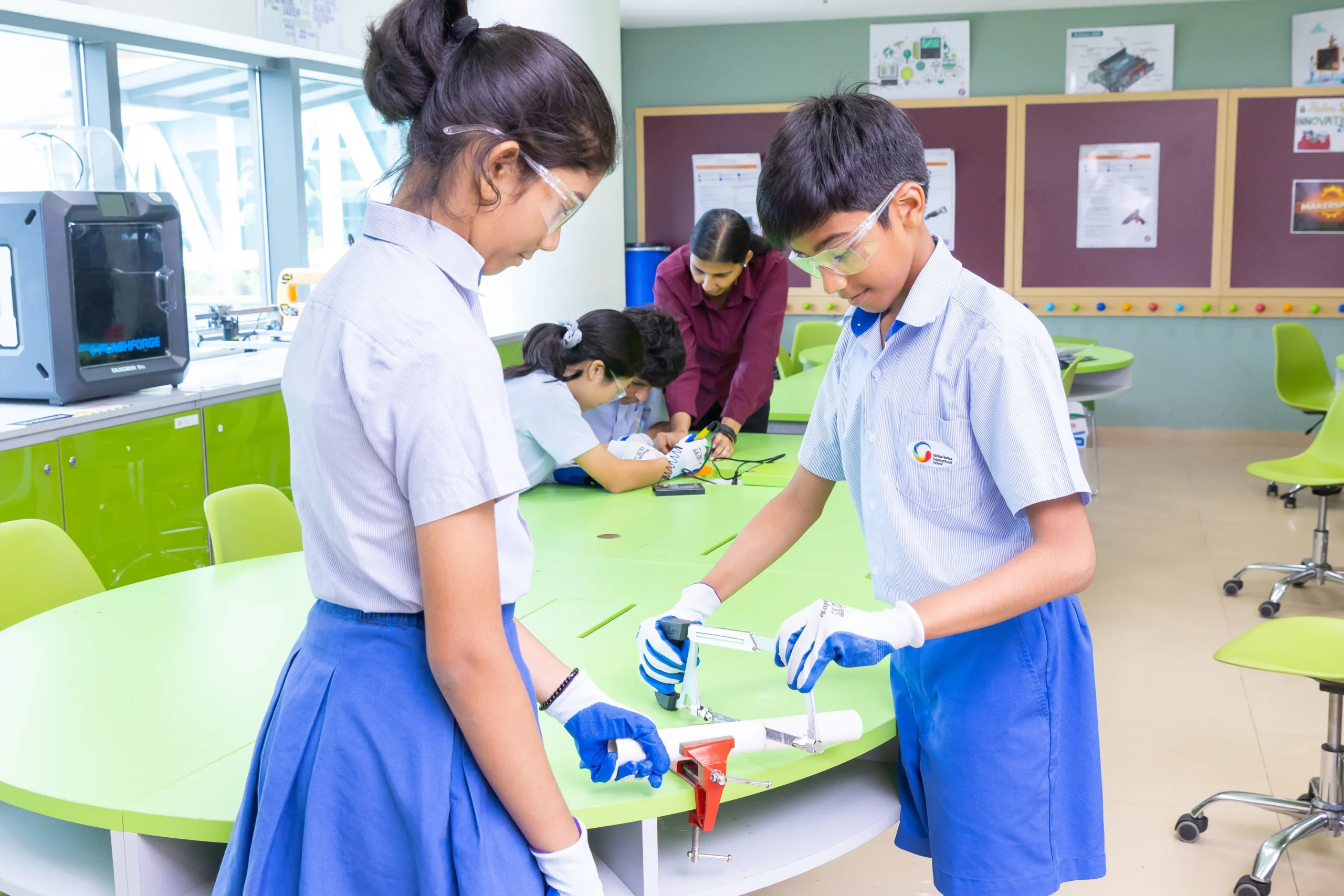
- Enhanced Critical Thinking and Creativity: Exposure to different perspectives pushes students beyond comfortable certainties, strengthening their capacity for curiosity, nuanced analysis, and creative problem-solving. The student who has learned to hold multiple perspectives simultaneously is the student best equipped to navigate complexity.Â
- Preparing Students for a Global Society: Students become adaptable, culturally aware, confident communicators ready for multicultural workplaces and global opportunities. This is important in the interconnected, fast-moving, and irreducibly plural world students will inherit.
Creating More Inclusive Learning Environments
Creating genuinely inclusive learning environments requires intentional design, at every level of school life. Understanding how to promote cultural diversity in schools is essential for creating meaningful inclusion.
- Include Diverse Perspectives in the Curriculum: Schools can incorporate multicultural literature, global histories, diverse role models and international case studies to help students feel seen and respected.
- Celebrate Cultural Events and Traditions: Cultural festivals, celebrations and awareness weeks create opportunities for students to share traditions proudly; they also make learning more engaging.
- Encourage Inclusive Classroom Discussions: Students develop confidence, respectful dialogue and emotional safety to share personal experiences without fear of judgement.
- Support Multilingual Learning: Recognising different languages spoken by students helps create a stronger sense of belonging.
- Provide Diversity and Inclusion Training for Educators: Ongoing professional training helps educators build culturally responsive teaching practices and better support diverse learners.
Educators as Leaders of Inclusive Learning

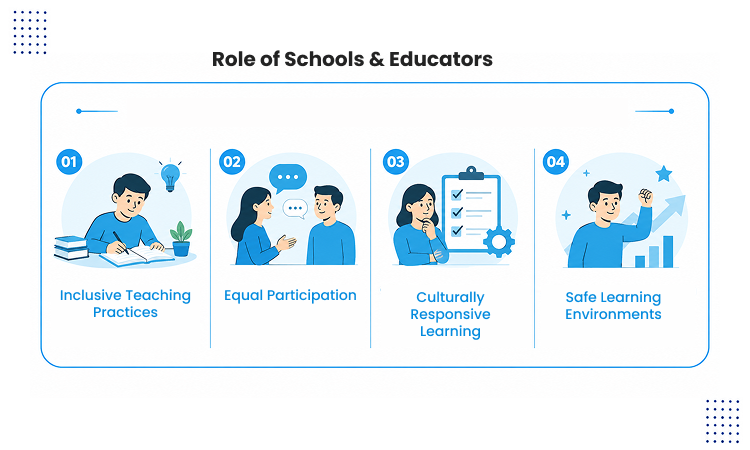
Inclusion is also directly proportional to the world-view, attitude and experience of school leaders who need to be well-versed with teaching responsive to the changing times. To achieve this, ongoing professional development is an investment. Educators need to see every student clearly, meet them where they are, and draw out what they are capable of. A culturally competent educator does not simply manage diversity. They harness it.
Inclusive educators actively ensures –
- Using inclusive teaching materials
- Encouraging equal participation
- Practising culturally sensitive communication
- Listening actively to student experiences
Strong teacher-student relationships to create emotionally safe classrooms where diversity becomes a strength more than a challenge.
Barriers to Building Inclusive School Communities
Common barriers include –
- Language differences
- Cultural misunderstandings
- Bias and stereotypes
- Resistance to change
Building inclusion requires continuous effort from schools, educators, families and communities.
Why Ongoing Effort Matters?
Diversity initiatives are not one-time events. Real inclusion happens when schools consistently create environments for students to be heard, represented, supported and respected.
Preparing Students for Future Opportunities
Students who grow up in inclusive schools often become:
- Better collaborators
- Stronger communicators
- More adaptable professionals
- More empathetic leaders
They learn how to navigate different perspectives confidently which becomes increasingly valuable in global workplaces and multicultural societies.
Building Stronger Communities Through Education
Students who value diversity are more likely to –
- Respect differences
- Build inclusive relationships
- Contribute positively to society
Education has the power to shape not only individual success but also more connected and compassionate communities.
Conclusion
The value of cultural diversity in schools goes far beyond representation. Diverse classrooms encourage empathy, creativity, confidence and global awareness.
At Global Schools Group (GSG), diversity is part of everyday learning. With globally connected campuses, multicultural communities and inclusive education approaches, GSG creates environments where every student feels valued, respected and empowered to thrive.
Visit GSG to discover how GSG helps students grow beyond boundaries.