Table of Contents
Academic success is important, but it is no longer the only measure of future readiness. Critical thinking equips students to question, analyse and solve real-world problems with confidence. In this blog, we explore why this essential skill matters more than ever and how schools are helping learners develop it from an early age. Here is an interesting fact: A-grade students are not great problem-solvers, decisive leaders, or resilient human beings. Marks measure what a student has memorised, but the world increasingly demands something far more sophisticated. Employers, universities, and society are all asking the same question: can this person think? This blog unpacks why critical thinking skills in education have become non-negotiable, and why schools are prioritising it over marks.
What Is Critical Thinking in Education?
Understanding Critical Thinking
It refers to the ability to analyse information, evaluate evidence, and arrive at reasoned, independent conclusions. Critical thinkers ask why, examine assumptions and consider multiple perspectives before deciding. This means moving beyond rote recall towards genuine intellectual engagement.
Why Critical Thinking Is a Core 21st-Century Skill
As per the World Economic Forum's Future of Jobs Report 2025, analytical thinking remains the top core skill for employers. 7 out of 10 companies consider it essential in 2025 and are projecting its importance to grow further by 2030.
The Role of Critical Thinking in Education
Moving Beyond Memorisation
The role of critical thinking in education starts with shifting the entire learning conversation. When students are encouraged to connect concepts across subjects, they build a richer and more transferable understanding. Deeper comprehension replaces superficial coverage.
Developing Lifelong Learners
Critical thinking cultivates curiosity as a habit. Students who are taught to question rather than simply absorb become self-directed learners. That adaptability is arguably the most valuable trait a school can develop.
Enhancing Classroom Participation
When classrooms invite discussion, debate and collaborative problem-solving, students build the confidence to articulate and defend their ideas. It becomes the foundation of effective communication and leadership throughout life.
Why Critical Thinking Matters More Than Marks?
Real-World Problems Require Real Solutions
The gap between academic performance and real-world readiness is well-documented. A survey of 501 business executives found that 78% cited critical thinking and analytical reasoning as their most desired employee skill; yet only 34% felt college graduates arrived adequately prepared. Marks alone are simply not closing this gap.
Better Decision-Making Skills
Critical thinkers evaluate options, anticipate consequences and make more informed choices. This translates directly into better judgement, more responsible leadership, and ethical decision-making.
Improved Creativity and Innovation
The ability to challenge assumptions and explore unconventional solutions is the engine of creativity. Students trained to think critically don't just solve existing problems; but they also identify new ones worth solving.
Stronger Communication and Collaboration
Critical thinkers can articulate complex ideas clearly, listen actively and engage in meaningful dialogue. These are precisely the skills that make teams function well and leaders worth following.
Critical Thinking in Early Childhood Education
Why It Should Start Early?
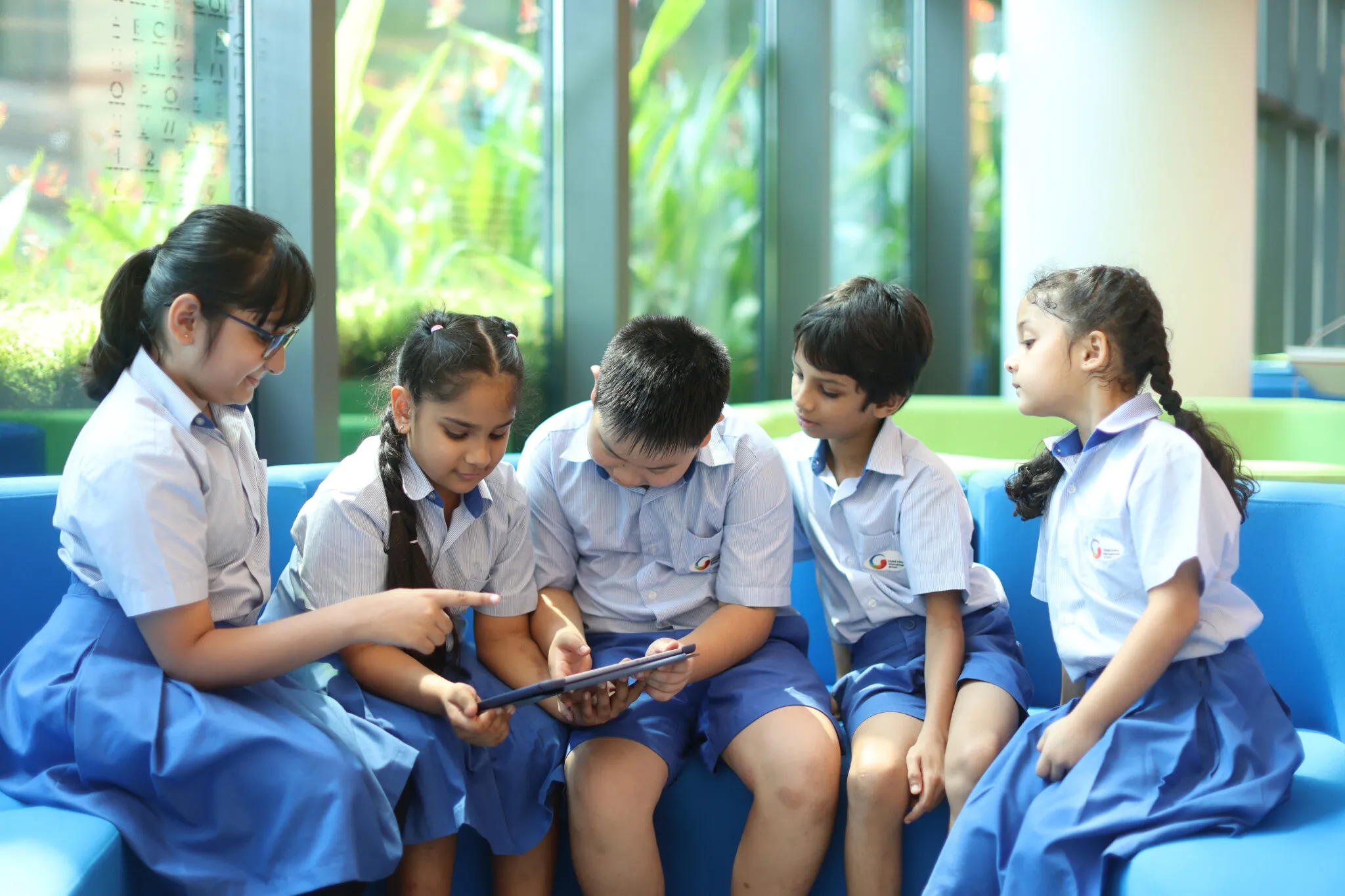
Critical thinking in early childhood education matters more than most parents realise. Young children are naturally curious; they question everything, test boundaries and explore cause and effect instinctively. The right early learning environment doesn't suppress this curiosity; it structures and nurtures it.
- Activities That Build Critical Thinking
- Story discussions and open-ended questions
- Problem-solving games and puzzles
- Group projects and creative play
This is at the heart of GSG's approach to education - designing learning environments where students are empowered to think deeply, lead boldly and engage meaningfully. Explore the GSG Edge to understand how critical thinking is embedded across our global network of schools.
Conclusion
Marks have their place, but they have never been the whole story. With the rapid AI change and complex global challenges, the students who will thrive are those who have been taught to think, question and adapt. Schools that genuinely prioritise critical thinking skills in education aren't lowering the bar; they are raising what the bar actually measures. Explore Global Schools Group and discover how world-class education looks when it's built around the thinkers, not just the test-takers.