Table of Contents
Education today is evolving in exciting and meaningful ways, opening up new possibilities for how children learn, think, and grow. The current trends in education are flipping traditional classrooms on their head, and honestly, it’s about time. With AI stepping in, learning is becoming smarter, more personalised and way more engaging. If you have been curious about what’s actually shaping the future, these recent trends in education are where things get exciting.
And here is the interesting part - organisations (group of schools) like GSG (Global School Group) aren’t just following these trends in education; they are actively shaping them through innovation and global best practices.
AI-Powered Personalised Learning
One of the biggest current trends in education is how AI adapts learning to you. AI-driven platforms analyse performance and adjust difficulty levels in real time.
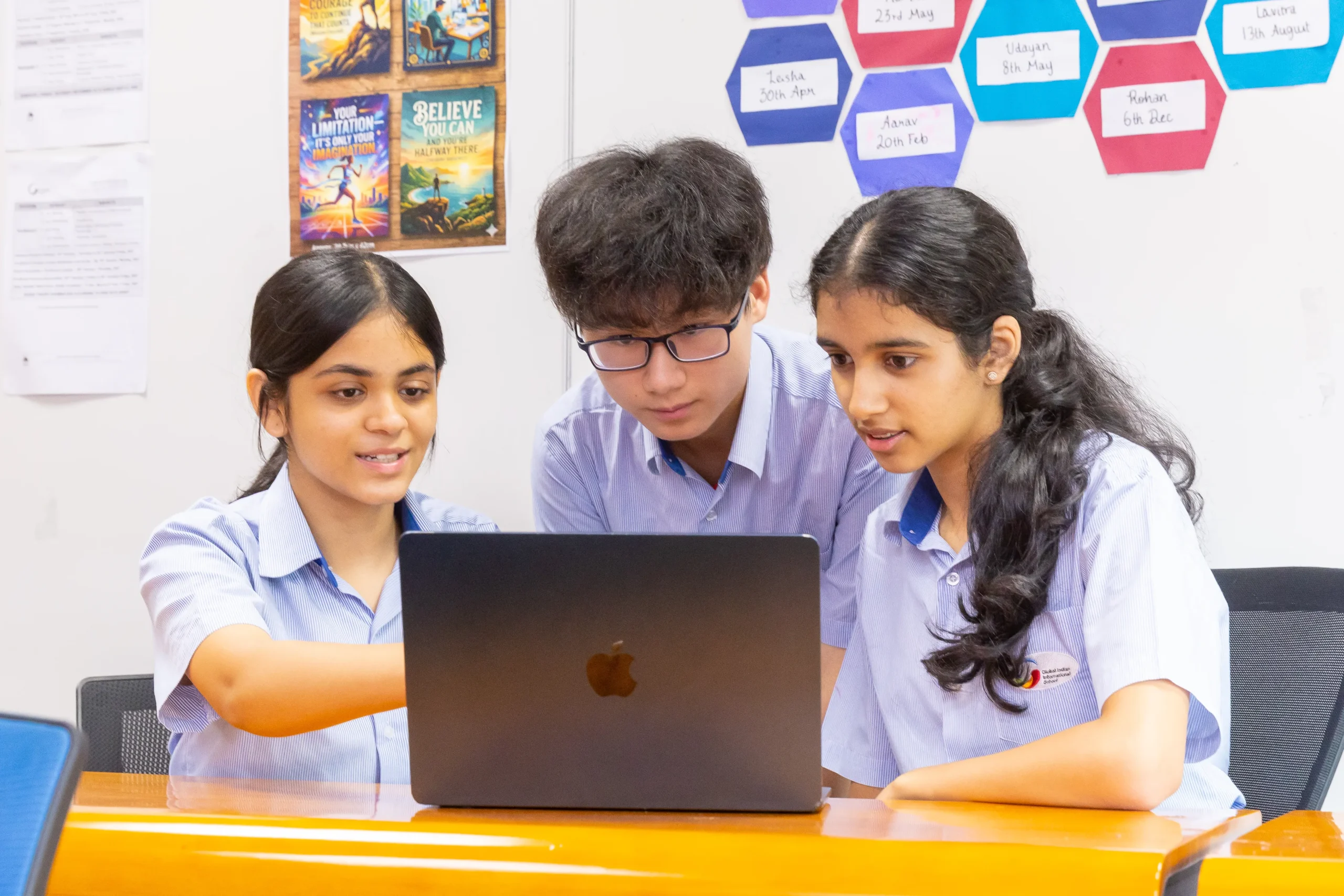
At GSG, this aligns with tools like SmartLearn, ensuring that each student learns and explores at their own pace, no more one-size-fits-all classrooms.
Intelligent Tutoring Systems (ITS)
Imagine having a tutor available 24/7; that is exactly what ITS offers. These systems provide instant feedback, hints and guidance.
Among the most impactful recent trends in education, ITS helps students not just solve problems but actually understand why solutions work.
Focus on Critical Thinking Over Rote Learning
Gone are the days of memorising formulas without context. One of the most transformative trends in education is the positive shift towards analytical thinking.
AI tools now encourage students to explore multiple solutions by shifting the focus from just getting the right answer to understanding different ways to arrive at it.
Within the Global Schools Group, this is brought to life through personalised, inquiry-driven learning experiences. For instance, in mathematics, students may be encouraged to solve the same problem using visual models, step-by-step logic, or real-world applications supported by digital platforms that adapt to their approach.
In subjects like science or humanities, students use AI-enabled tools to analyse data, test hypotheses, and even compare multiple interpretations of the same concept. This approach ensures students don’t rely on a single fixed method. Instead, they develop flexibility in thinking, deeper conceptual clarity, and the confidence to approach problems.
Read more: Exploring AI’s Influence in Developing Critical Thinking in Middle and High School Mathematics
Metacognitive Learning (Learning How to Learn)
Here’s something cool, students are now being taught to think about their thinking.
This is one of the most impactful current trends in education, where AI tools and classroom strategies encourage learners to reflect, self-assess, and improve independently. For example, after completing an assignment, students might review what strategies worked, where they struggled, and how they can improve next time. In another instance, adaptive learning platforms track progress and suggest personalised practice based on mistakes, helping students recognise patterns in their learning.
In classrooms, teachers may also use reflective journals where students briefly write what they understood and what they need help with. GSG’s personalised learning approach naturally supports this mindset by encouraging students to take ownership of their progress, rather than relying only on instruction.
AI-Assisted Problem Solving
Tools like AI-based math solvers are becoming common, but here’s the twist: they are not just giving answers anymore. .
Among the most practical recent trends in education, these tools guide students step-by-step, helping them analyse mistakes and refine their approach.
Increased Student Engagement Through Adaptive Platforms
Let’s look at what this actually means in practice. Boring, one-size-fits-all lessons are being replaced by adaptive platforms that respond to each student in real time.
For example, platforms like Duolingo adjust the difficulty of questions based on how a student performs. If a learner answers correctly, the system gradually increases complexity. If they struggle, it offers hints, breaks concepts into simpler steps, or revisits foundational topics.
In a classroom setting, this means a student who quickly grasps fractions might move on to advanced problem-solving, while another gets additional practice with visual aids and guided steps without feeling left behind.
That’s why engagement-focused systems are among the top current trends in education, making learning feels achievable, motivating, and genuinely rewarding rather than overwhelming.
Real-Time Feedback and Continuous Assessment
Waiting weeks for test results? That’s old school.
One of the most impactful recent trends in education is instant feedback. AI systems analyse performance in real time, helping students improve immediately - no delays, no confusion.
Ethical and Responsible Use of AI
With great tech comes great responsibility. A growing trend in education is teaching students how to use AI ethically. .
From data privacy to avoiding over-dependence, schools like GSG ensure students use AI as a tool, not a shortcut.
Human-AI Collaboration in Classrooms
Here’s the ultimate takeaway - AI isn’t replacing teachers. It’s supporting them. .
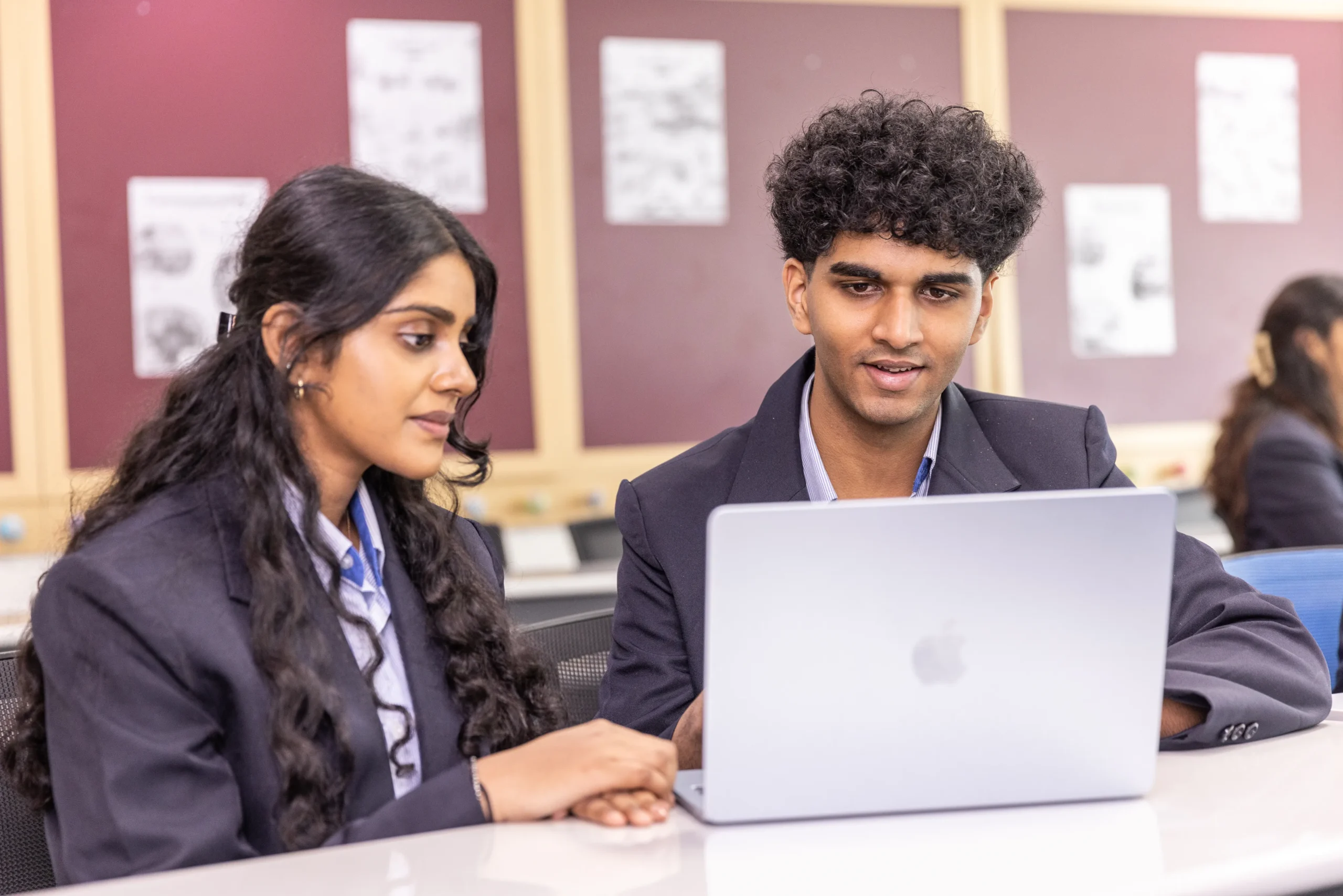
One of the most important current trends in education is this balance between human guidance and AI efficiency. At GSG, experienced educators combine global teaching expertise with advanced technology to create a future-ready learning environment.
Why These Trends Matter (Especially at GSG)?
All these recent trends in education point towards one thing: learning is becoming smarter, more personalised, and globally connected.
GSG stands out by bringing together:
- A global network across 60+ campuses
- Multiple international curricula (IB, Cambridge, American)
- AI-driven personalised learning Strong focus on critical thinking and holistic growth
So when you look at these trends in education, you are not just seeing theory, you are seeing what students at GSG actually experience every day.
These innovations, however, do come at a cost - subscriptions, infrastructure, and ongoing training. That makes it important to evaluate whether investing in multiple standalone tools is truly efficient. In many cases, all-in-one platforms that combine learning management, analytics, and adaptive tools can offer better value, streamlined implementation, and a more cohesive learning experience.
Conclusion
The current trends in education are not just upgrades; they are a complete shift in how students learn, think, and grow. From AI-driven insights to global exposure, the future is already here.
And if you are wondering where this future truly comes alive, GSG brings these recent trends in education together seamlessly - creating confident, curious, and globally ready learners.