Table of Contents
Key Takeaways
- Innovative teaching methods encourage students to think critically, solve problems and apply knowledge instead of relying on memorisation.
- Student-centred learning, real-world applications and skill-based assessment are the foundations of effective classroom innovation.
- Approaches such as Project-Based Learning, flipped classrooms, inquiry-based learning and personalised learning have been shown to improve student engagement and academic outcomes.
- Leading schools integrate technology, collaborative learning and flexible classroom environments to create meaningful learning experiences.
- Successful implementation begins with teacher training, gradual adoption and assessments that value creativity, collaboration and critical thinking.
- Technology should enhance teaching and learning rather than replace the role of educators.
- Strong partnerships with parents, universities and industry help schools create more relevant and future-ready learning experiences.
- Schools that continuously refine their teaching practices are better equipped to prepare students for higher education, careers and lifelong learning.
Introduction
Picture two classrooms. In one, students copy notes off a board. In the other, they are building a water filtration model for a mock village council. Guess which one they remember in ten years. Innovative teaching methods mark the difference between students who memorise and students who understand, question and apply what they learn.
What Makes a Teaching Method "Innovative"?
An innovative method is not about gadgets or buzzwords. It is about shifting the classroom from passive listening to active thinking. True innovation in education changes how students engage with knowledge. The strongest approaches share a few traits:
- Student-centred, not teacher-centred
- Built around real problems, not rote memorisation
- Measured through curiosity and skill, not test scores alone
- Adaptable across subjects, ages and cultures
Which 10 Innovative Teaching Methods Are Reshaping Classrooms?
Some of these approaches have decades of research behind them; others have been shaped by newer technology. Together, they form the current toolkit of innovative teaching methods used in leading schools worldwide.
- Project-Based Learning (PBL): Students tackle an extended, real-world problem. A Project PLACE study found PBL pupils gained five to six months more progress in social studies than peers, per University of Michigan research.
- Flipped Classroom Model: Students review core content at home, then use class time for practice with the teacher present. A 2024 STEM meta-analysis found this significantly improved achievement, per this Springer study.
- Inquiry-Based Learning: Teachers pose an open question and guide students to investigate it themselves, building research skills and ownership over learning.
- Blended/Hybrid Learning: Online modules combine with face-to-face teaching, letting students move at their own pace while benefiting from classroom discussion.
- Gamification: Points, levels and challenges tap into the motivation loops that keep players engaged, building effort without turning lessons into pure entertainment.
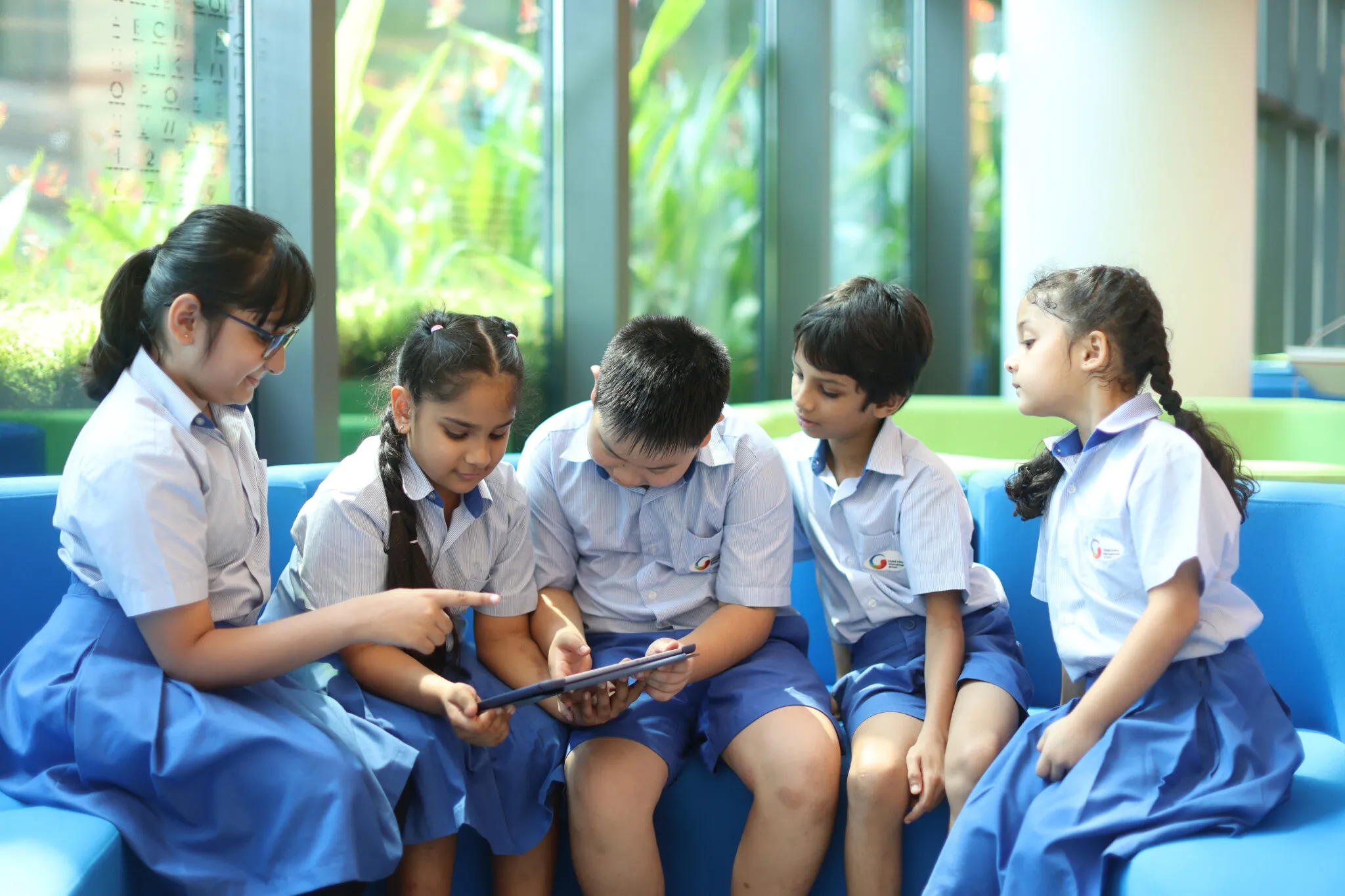
- Personalised/Adaptive Learning: Data-driven platforms adjust pace and difficulty for each learner, so students can move ahead or get extra practice as needed.
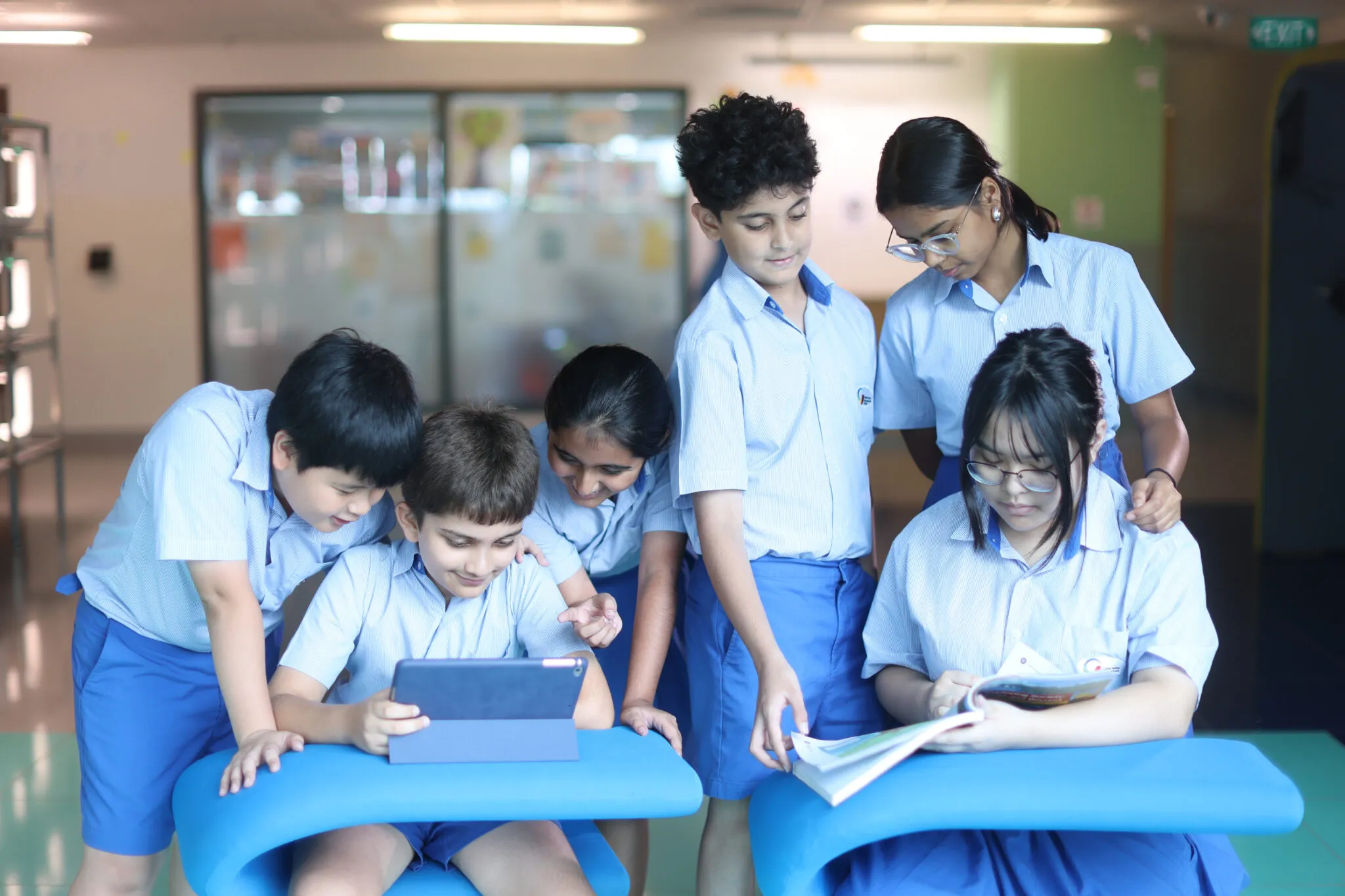
- Collaborative Learning & Peer Teaching: Students work in groups and take turns explaining concepts to one another, sharpening understanding and communication skills.
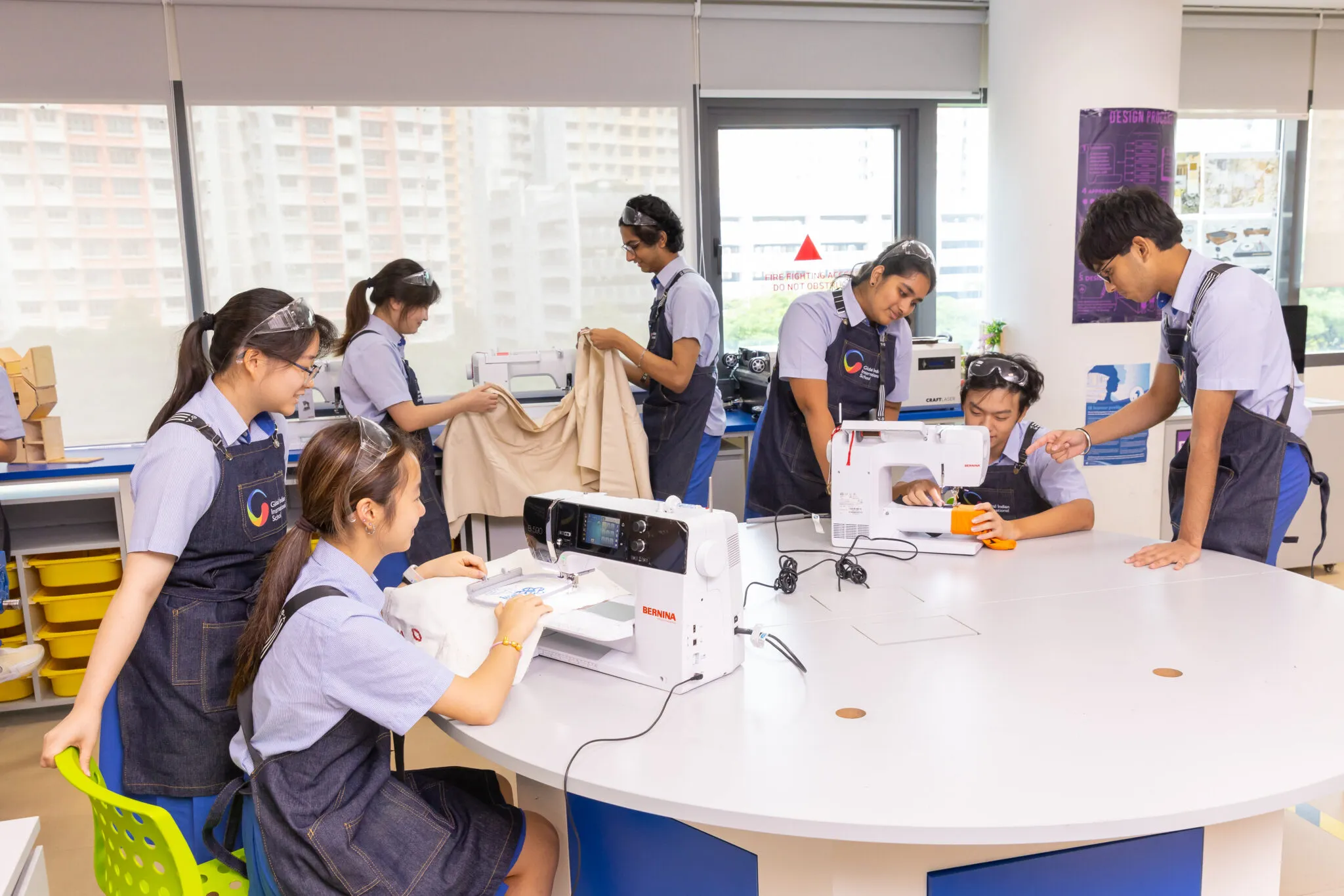
- Design Thinking in the Classroom: Borrowed from product design, this method walks students through empathising, ideating, prototyping and testing, mirroring how innovators work.
- Experiential & Outdoor Learning: Lessons move beyond classroom walls through field trips or nature-based experiments, anchoring concepts in direct experience.
- Socratic Seminars/Discussion-Based Learning: Teacher-guided dialogue prompts students to question and refine their ideas in front of peers, sharpening critical thinking.
More Reads: Preparing for Tomorrow: Technology Integration in Education Today
What Are Innovative Schools Doing Differently?
Walk into any of today's leading innovative schools and a clear pattern emerges: teachers plan around outcomes, and assessment looks beyond exam scripts. The table below sums up the shift:
| Aspect | Traditional Classroom | Innovative School |
|---|---|---|
| Teacher role | Delivers content | Facilitates discovery |
| Assessment | Exams and recall | Projects, portfolios and reflection |
| Classroom layout | Fixed rows of desks | Flexible, collaborative spaces |
| Technology use | Occasional, add-on | Integrated into daily learning |
| Curriculum focus | Subject silos | Cross-curricular, real-world links |
Beyond the classroom itself, these schools tend to share a few other habits:
- Cross-curricular projects replacing isolated subjects
- Teacher training focused on facilitation, not lecturing
- Data-informed personalisation for every learner
- Partnerships with universities and industry for real-world exposure
More Reads: Why Critical Thinking Matters More Than Marks in Today's World?
How Can Schools Start Implementing These Methods?
Adopting innovation in education does not require an overnight overhaul. Start small, measure results, and scale only what works:
- Pilot one method in a single grade or subject before scaling school-wide
- Invest in teacher training, since methods falter without confident facilitators
- Redesign assessment to reward thinking, not recall alone
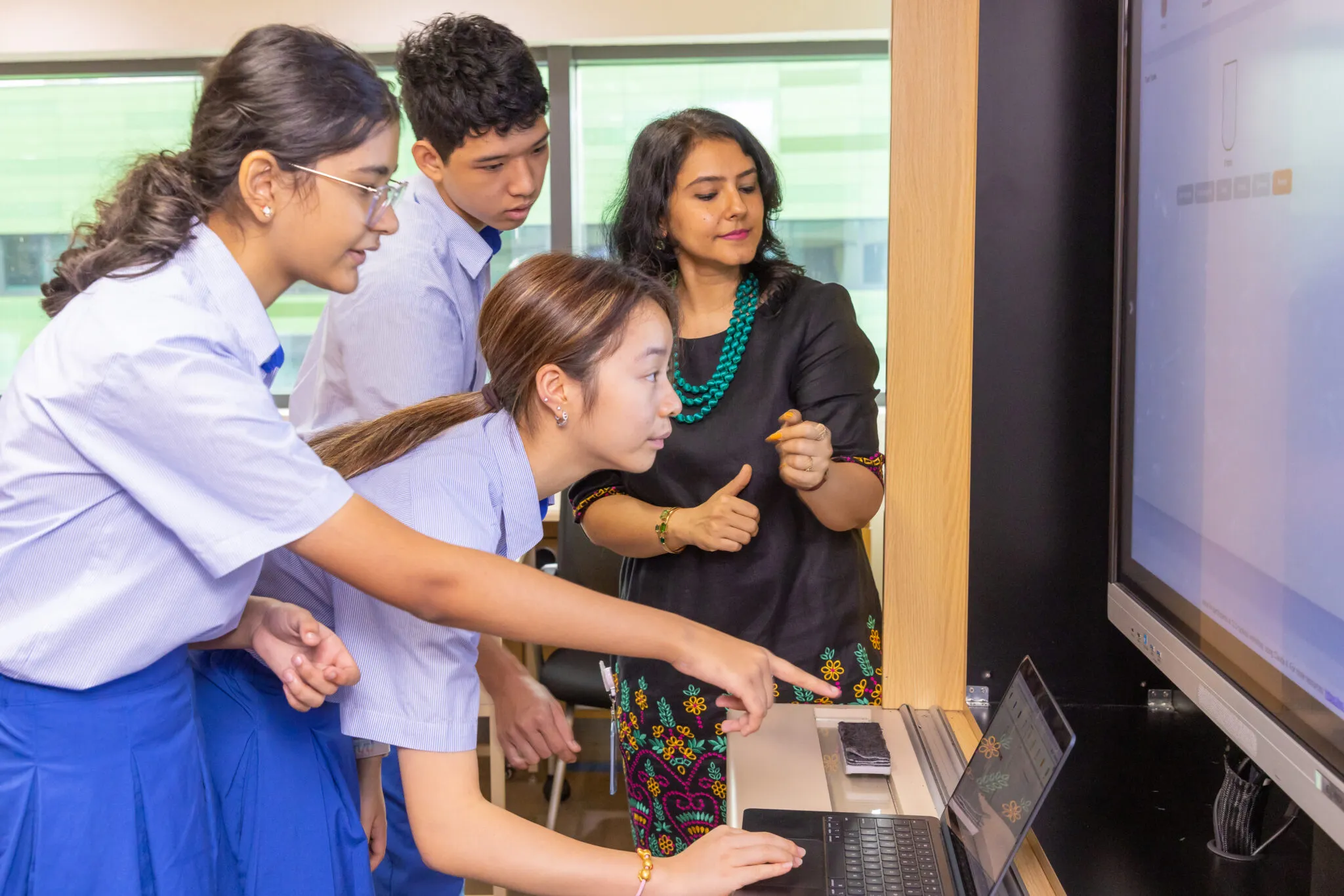
- Use technology to support, not replace, human interaction
- Involve parents early, especially expatriate families adjusting to new systems
- Review outcomes each term and adapt what is not working
Why Partner With Global Schools Group?
None of these methods work overnight. What moves the needle is a school culture that keeps testing and refining how it teaches, term after term. That is the philosophy behind innovative schools within the Global Schools Group network. Across our campuses, from Bangalore to Kuala Lumpur to Abu Dhabi, we do not simply talk about innovative teaching methods. We build them into curriculum, teacher training and daily practice.
If you are a parent, especially part of an expatriate family weighing up your options, our campuses offer a consistent, globally benchmarked education wherever you are based. If you represent a partner school or investor exploring collaboration, GSG offers a proven model for scalable expansion. Visit globalschools.com to learn more.