Table of Contents
Key takeaways
- International schools build future-ready skills through globally connected, practical learning environments.
- Diverse classrooms strengthen communication, collaboration, empathy, and global cultural understanding naturally.
- Inquiry-based learning encourages creativity, critical thinking, independent problem-solving, and innovation skills.
- International curricula prepare students effectively for global universities and evolving modern careers.
- Technology-enabled classrooms improve interactive learning, digital literacy, STEM exposure, and adaptability skills.
A decade ago, students mostly prepared for careers within their own cities or countries. But today; a teenager could eventually graduate to start working at a global organisation outside her home country. That shift is exactly why parents are exploring the benefits of international schools more seriously than ever.
Modern careers prioritise communication, adaptability, cultural awareness and digital confidence with academic excellence. International schools build these abilities early through globally connecting the learning environments.
Understanding International School Education
International schools follow globally recognised curricula such as the International Baccalaureate (IB) and Cambridge International programmes. Students are encouraged to –
- Think critically and independently
- Communicate and Ask questions confidently
- Be Innovative and Participate in discussions
- Be Ethical and Solve real-world problems
- Work collaboratively across cultures
The focus is not only on academic excellence; but also on growing in international environments.

Why International Schools Are Growing in Popularity?
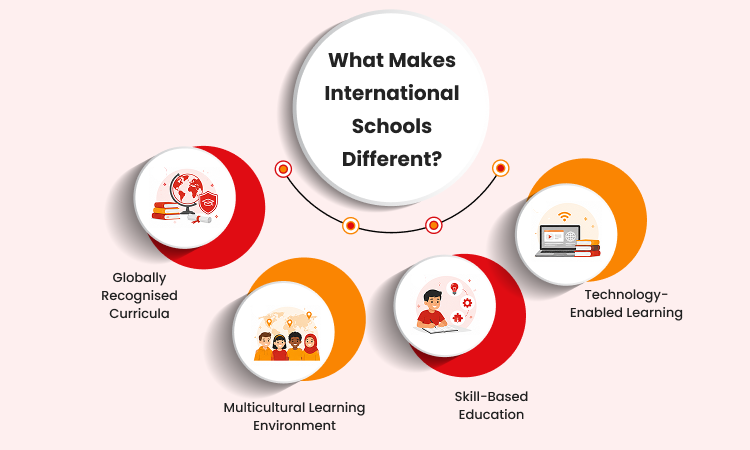
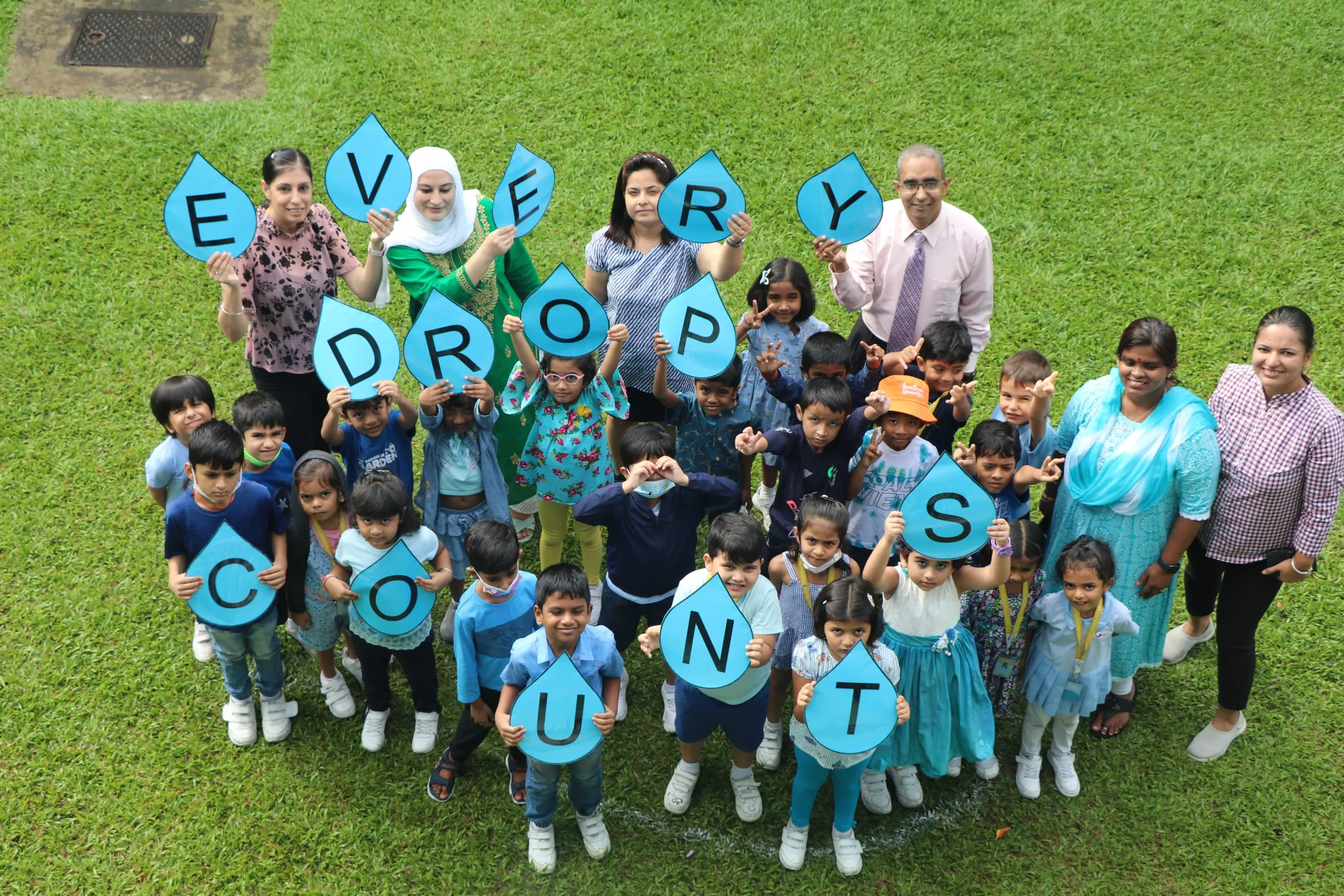
Global Learning Environment: International classrooms often include students and educators from different countries, cultures, and backgrounds. This naturally helps students develop intercultural understanding, empathy, and global awareness from an early age.
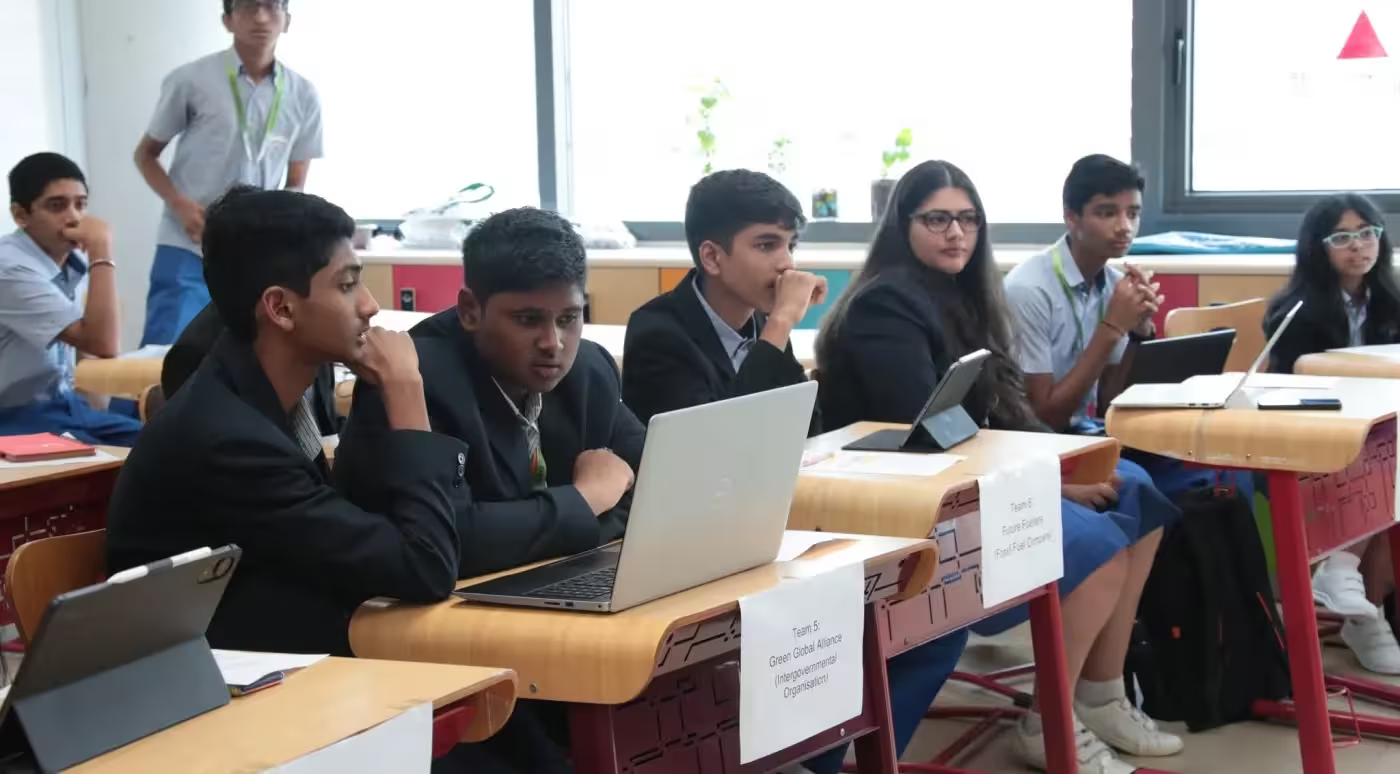
Strong Communication and Language Skills: Most international schools emphasise communication-heavy learning through presentations, debates, discussions, and collaborative projects. Students become more confident in expressing ideas clearly and professionally.
Focus on Critical Thinking and Creativity: Instead of memorising information, students learn through inquiry-based and project-based approaches. This encourages curiosity, innovation, and independent thinking; skills modern employers highly value.
Holistic Student Development: International schools place equal importance on academics, sports, arts, leadership, community engagement and extracurricular activities. This balanced approach helps students to grow into confident and adaptable individuals.

Why International Education is Expanding in India?
Many families now recognise the long-term benefits of international school education in India for university admissions and career readiness.
International Exposure Without Leaving India: Students gain access to international curricula while remaining connected to Indian values, traditions, and cultural identity. It creates the best of both worlds.
Better Preparation for International Universities: International programmes often align closely with global university expectations to help students transition smoothly into higher education abroad.
Skill-Based Learning for Modern Careers: It develops research skills, collaboration, leadership, practical learning and time management. These skills are increasingly valuable across industries.
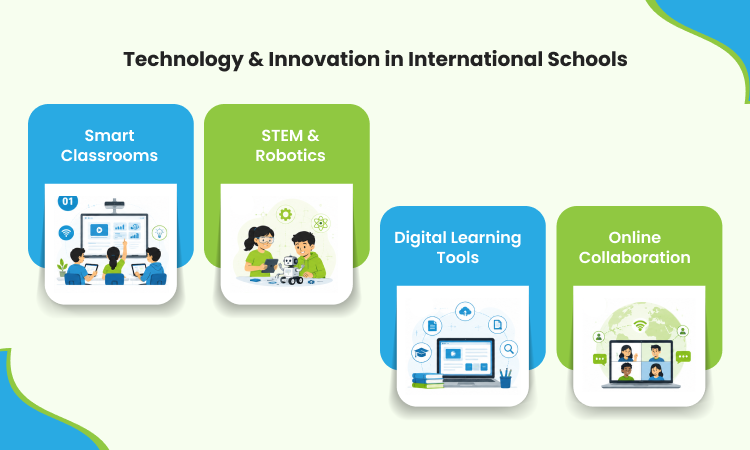
Access to Modern Learning Technologies: Many international schools integrate smart classrooms, digital collaboration tools, STEM programmes, robotics labs and interactive learning platforms.
How International Schools Prepare and Support Students for Global Careers?
Building Skills Beyond Academics: International schools prepare students for real-world careers by focusing heavily on future-ready competencies.
Developing Leadership and Collaboration: Group projects, presentations, student councils, and collaborative activities help students become confident leaders and effective team players.
Encouraging Problem-Solving and Adaptability: Students regularly work in diverse environments where they learn to adapt, communicate, and solve challenges independently.
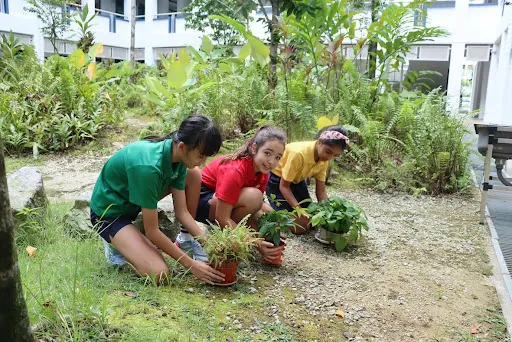
Promoting Global Citizenship: International education encourages awareness around sustainability, social responsibility, and global issues. Students learn how their actions connect with wider communities and industries.
Career and University Guidance Support: Many schools provide university counseling, career exploration programmes, skill mapping support and international application guidance for students to plan their future decisions.
Innovation and Digital Learning in International Schools
Technical and digital innovations continue to globally reshape the education sector. International schools make learning engaging and interactive by thoughtfully integrating –
- Online collaboration platforms
- AI-assisted learning tools
- Virtual classrooms
- Research-based projects
- STEM and robotics learning
- Preparing Students for a Borderless Future
The future workplace will reward adaptability, creativity, communication, and global awareness just as much as academic qualifications. That is why the benefits of international schools continue to attract families seeking future-ready education.
At Global Schools Group (GSG), students learn in multicultural, innovation-driven environments designed to build academic confidence, leadership skills and global perspectives. Through internationally recognised curricula, technology-enabled classrooms and holistic development approaches, GSG prepares students to succeed globally.
Connect with GSG and discover how globally connected learning can shape future opportunities.