Table of Contents
Key Takeaways
- AI and sustainability are converging forces: The future workforce must be skilled in both artificial intelligence and environmental sustainability to stay relevant.
- Green jobs are rapidly growing: The shift to a green economy will create millions of new roles across industries, requiring new-age skills and interdisciplinary knowledge.
- Education systems must evolve: Schools need to integrate AI literacy and sustainability across curricula rather than treating them as separate subjects.
- Experiential and real-world learning is critical: Hands-on projects, industry exposure, and problem-solving help students build practical skills for emerging green careers.
- Teachers and ethics play a crucial role: Educator training, along with a strong focus on AI ethics and sustainability values, is essential to prepare responsible future leaders.
The world stands at the intersection of two transformative forces: the rapid advancement of artificial intelligence and the urgent shift toward a green economy. At Global Schools Group, we believe schools are not merely institutions of learning — they are the engines that power the workforce of tomorrow. That workforce must be equipped to navigate a planet defined by climate imperatives and digital disruption simultaneously.
The Green Economy: A New Employment Landscape
The transition to a low-carbon economy is actively reshaping labour markets worldwide. The International Labour Organization estimates the shift to sustainability will generate over 24 million new jobs globally by 2030, spanning renewable energy, sustainable agriculture, green construction, and environmental services. Yet without educational systems that respond, millions of workers risk being left behind.
Green jobs span every sector — from climate data analysts and ESG investment professionals to urban planners designing net-zero cities and engineers building EV infrastructure. What unites these roles is a combination of domain knowledge, systems thinking, ethical reasoning, and AI fluency.
More Reads: The GSG Green School Certification Story
The Role of AI in Shaping Green Careers
AI is not simply a computer science topic — it is becoming the foundational tool across virtually every green sector. In environmental science, machine learning models drive climate modelling and deforestation tracking. In agriculture, precision AI reduces water and pesticide use while improving yields. In architecture, AI-powered Building Information Modelling enables net-zero design from the ground up. Across supply chains, AI identifies waste and optimises circular economy processes.
"The student who understands both the science of climate change and the technology of AI is not just prepared for the future — they are equipped to shape it."
Global Schools Group's Approach: Education for Impact
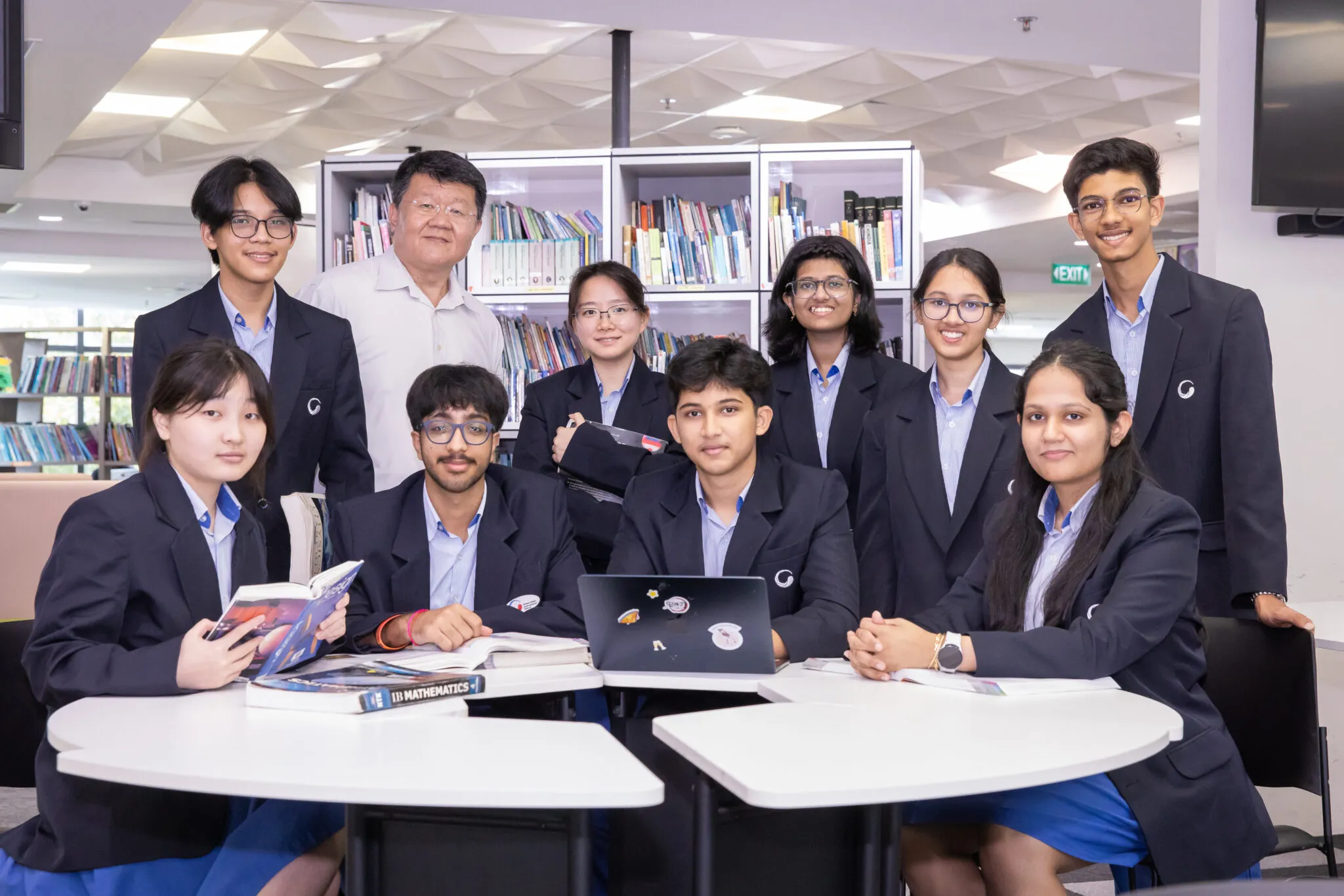
Preparing students for the future of green jobs requires whole-school transformation, not isolated initiatives. At GSG, sustainability and technology are embedded across all aspects of learning — from interdisciplinary projects to AI tools used in everyday classroom practice, and partnerships with industry that expose students to real-world career pathways.
Students are not passive participants. Through community projects and sustainability challenges, they develop agency and a sense of responsibility that extends far beyond the classroom.

Curriculum and Experiential Learning
We embed AI literacy and sustainability themes across all subjects as core dimensions, not add-ons. Science students model climate systems with real datasets; economics students analyse the business case for renewable transition; humanities students explore environmental justice and the ethics of automation. Our curriculum frameworks align with the UN Sustainable Development Goals. Students use AI tools to tackle genuine environmental challenges like optimising school energy usage, designing biodegradable materials ; developing confidence and collaboration alongside knowledge. We also offer a range of experiential learning opportunities through events such as MUN, MCOP, and GED.
More Reads: The Future of Education: Striking the Right Balance Between Technology and Tradition
Teacher Development and Ethical Grounding
Transforming student outcomes begins with transforming teacher practice. GSG invests in professional development that equips educators to teach confidently at the frontier of AI and sustainability. We also integrate wellbeing programmes that address eco-anxiety directly, and teach AI ethics as a core component of digital literacy — ensuring students understand the social implications of the technologies they will shape throughout their lives. The GSG Eco Forum provides a platform for teachers across our schools to connect, share best practices, and strengthen their approach to sustainability education.

Navigating Challenges Responsibly
The potential of AI in education must be matched by thoughtful implementation. Data privacy, algorithmic bias, and equitable access to technology are concerns that must be actively addressed. Progress must be inclusive — schools must leverage technology without losing sight of the human values at the heart of education.

Our Ambition for the GSG Network
Global Schools Group is committed to becoming a global reference point for education at the intersection of AI and sustainability. Our vision is a network where:
- Every student graduates with foundational AI literacy and green economy understanding
- Every school has a visible sustainability programme connected to local and global action
- Every teacher is supported to teach confidently in a rapidly changing landscape
- Every community — regardless of geography or socioeconomic status — has access to world-class, future-focused education
Conclusion: Education Is the Climate Solution We Overlook
Renewable energy, green infrastructure, and carbon policy are rightly celebrated as pillars of climate action. But education is the pillar most often overlooked. Every curriculum decision, every teaching innovation, every school investment is either preparing or failing to prepare the next generation of climate leaders, green entrepreneurs, and sustainable technologists.
The question is not whether AI will transform work or whether the green economy will reshape society — both are already happening. The question is whether our students will be the architects of that transformation, or merely its passengers.
"We are not preparing students for jobs that already exist. We are preparing them to create the roles, the businesses, and the solutions the world does not yet know it needs."
FAQ's
What are “green jobs” and why are they important for students today?
Green jobs are roles that contribute to environmental sustainability, such as renewable energy, sustainable agriculture, ESG analysis, and climate technology. They are important because they are rapidly growing and will define future career opportunities across industries.
How does AI connect to sustainability and green careers?
AI supports sustainability by enabling smarter climate modelling, energy optimisation, precision agriculture, waste reduction, and efficient urban planning. Understanding AI helps students actively contribute to solving environmental challenges.
Why should schools integrate AI and sustainability together in the curriculum?
Combining AI and sustainability prepares students for real-world challenges where technology and environmental problem-solving overlap. It builds interdisciplinary thinking, future-ready skills, and ethical awareness.