Table of Contents
Key Takeaways
- Teaching methodology is a genuine differentiator; it shows up in enrolment, retention and brand premium.
- Methods that are data-friendly, teacher-trainable and replicable outperform novelty for novelty’s sake.
- IB and Cambridge both lend themselves naturally to inquiry-based, project-based, and interdisciplinary teaching.
- The real investor ensures that the innovative teaching methods can be delivered consistently at every campus.
- The multi-curriculum model at GSG demonstrates both pedagogical flexibility and operational standardisation at once.
If you are here for a practical list, you will get one that highlights the ten genuinely innovative teaching methods reshaping classrooms right now. But methodology is worth more attention than a list; it is a genuine differentiator that shows up in enrolment, retention and brand premium.
The most effective methods are not simply the newest or most exciting. They are approaches that teachers can use purposefully, adapt to different learners and sustain over time. This article explores ten methods shaping modern education, with a look at how they connect to GSG’s curricula and wider approach.
Why Do Teaching Methods Matter Beyond the Classroom?
The teaching approach at school signals what it values –
- Curiosity
- Independent thinking
- Collaboration
- Measurable progress
These choices can shape learning outcomes and experience of families about the school. For a network, shared teaching principles can also help campuses maintain a recognisable standard while adapting to local needs.
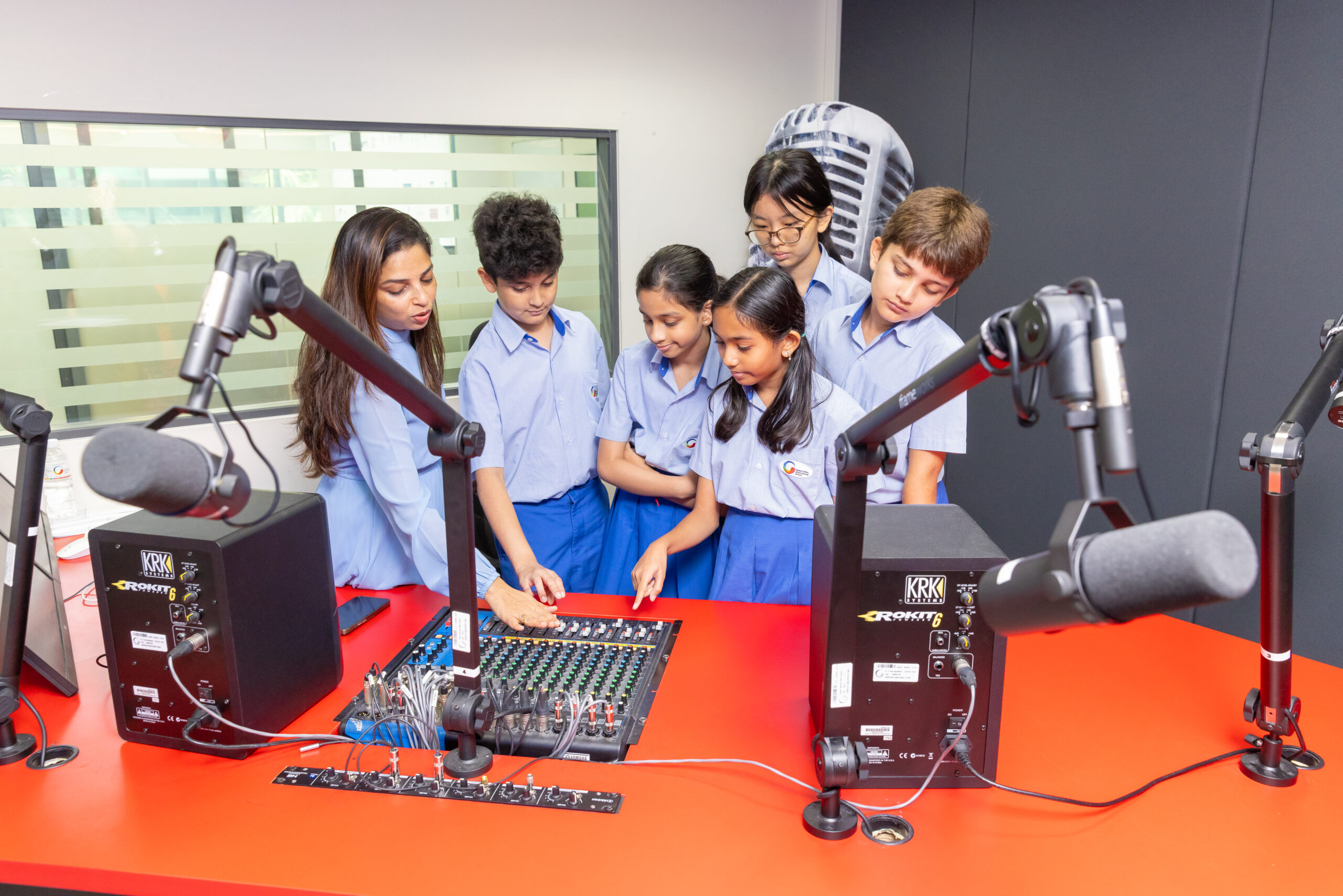
10 Innovative Teaching Methods Shaping Modern Education
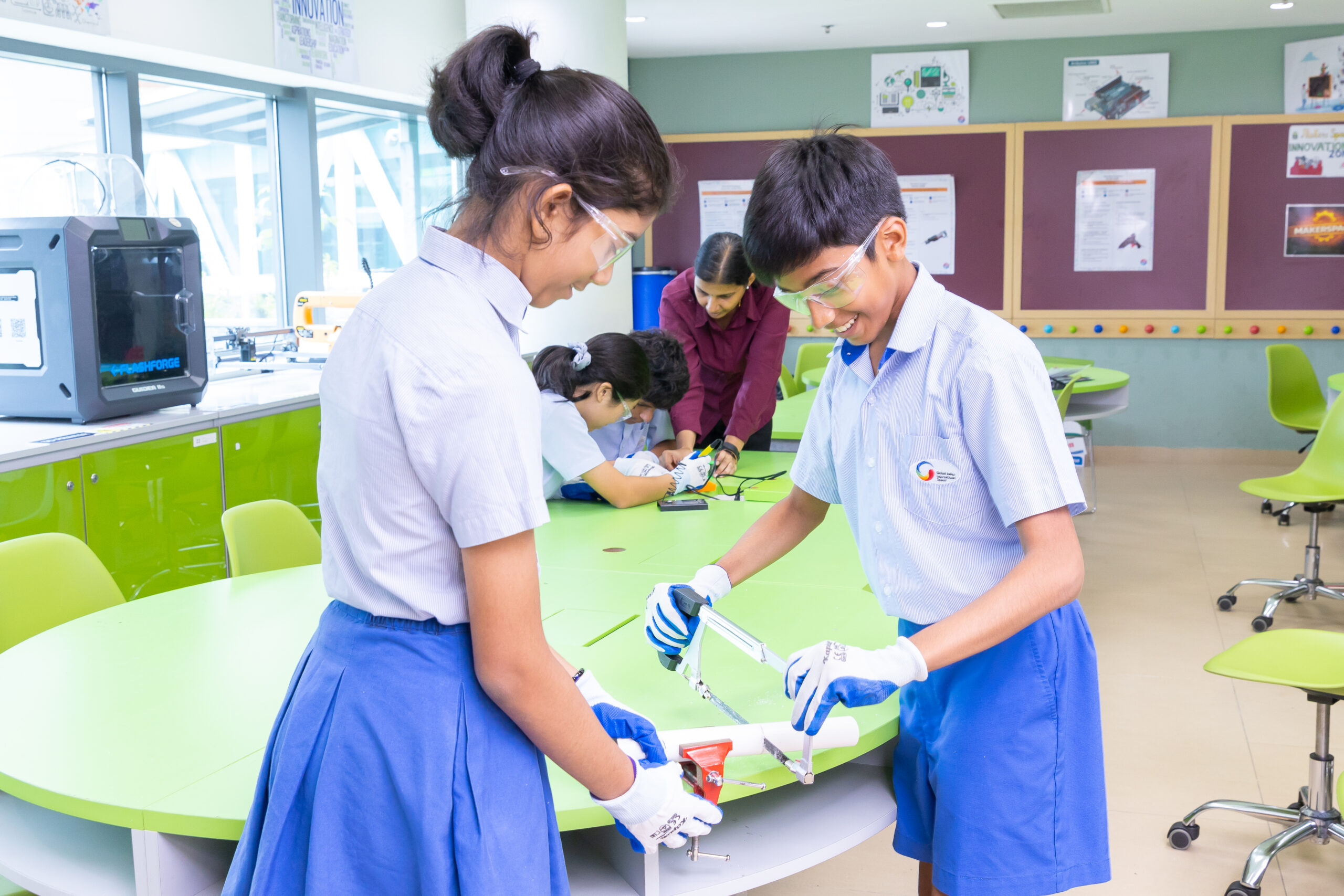
- Inquiry-Based Learning: Students investigate real questions rather than absorbing facts passively, a natural fit for inquiry-driven philosophy of the IB and genuinely trainable across campuses.
- Project-Based Learning (PBL): Extended and practical projects replace isolated worksheets. Project based learning is consistently linked to deeper engagement and it scales well with shared project templates.
- Blended/Hybrid Learning: Mixing personalised teaching with digital content gives flexibility without losing classroom relationships. It becomes an ideal ground for LMS standardisation.
- Personalised or Adaptive Learning: AI-driven pacing adjusts content to each student’s level, directly tying into the smart classroom data infrastructure already covered on this blog.
- Flipped Classroom Model: Students study concepts at home and implement them in class. This reorders the day so class time is spent solving problems, not just receiving information.
- Gamification & Game: Based Learning
Points, levels and challenge structures boost motivation, particularly effective for younger learners and easily embedded into an LMS. - Collaborative or Peer Learning: Students work together to discuss ideas, solve problems or explain concepts to one another. Peer learning can develop communication, listening and shared responsibility, while giving teachers opportunities to observe how students think.
- Experiential & Outdoor Learning: This approach connects learning with direct experiences using fieldwork, experiments or outdoor observation. Students can explore concepts and reflect on what they notice.
- Competency-Based Assessment: This method looks at what students can demonstrate they know and can do. Portfolios, presentations, practical tasks and ongoing feedback can provide a broader picture of progress.
- Cross-Curricular/Interdisciplinary Teaching: Students explore a theme or question through more than one subject. They can examine sustainability through science, geography and writing. This helps them to see connections between ideas and apply knowledge in different contexts.

What Ties These Methods Together?
The common thread is purposeful practice and not novelty. Strong methods need clear learning goals, teacher training, useful ways to assess progress and room to adapt. For investors, the question is not simply whether a school uses innovative methods; but whether it can deliver them consistently across classrooms and campuses.

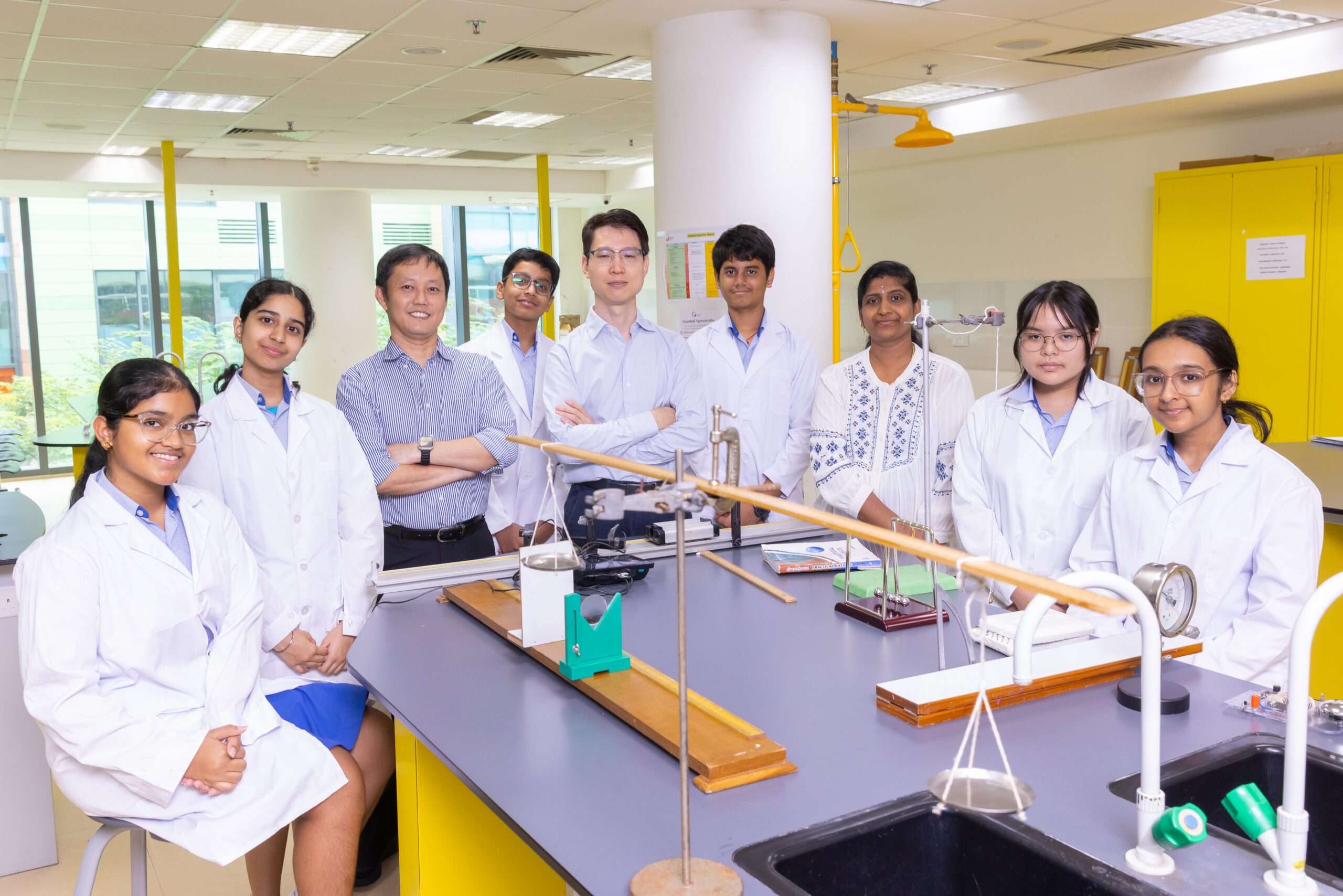
Why This Matters for Investors?
Innovative teaching methods are a retention and reputation driver. Teaching methods can influence students’ experience and a school’s reputation, but their value depends on how well they work in practice. Any single school can claim innovation, but only a few can implement it.
GSG's multi-curriculum model, spanning IB, Cambridge, and CBSE, demonstrates both the flexibility and the standardisation this requires. Explore Our Approach to Education for the full picture.
Closing
Teaching methodology is a form of educational infrastructure. It requires investment in people, planning, assessment and systems; not just a new classroom activity. When schools support teachers and evaluate what helps students learn, innovative methods can become part of everyday practice.
GSG’s approach brings curricula, educators and shared practices together across its network. Meet the people and systems behind it and see how GSG builds this into its wider educational model to consistently deliver the best innovative methods, year after year.