
Table of Contents
Key Takeaways
- Education has become a genuine asset class with private equity increasingly active across K-12 and early years.
- Schools are funded through tuition, institutional capital, government support and philanthropy.
- Understanding this mix matters for due diligence.
- The sector offers stable, recurring revenue and resilience through economic cycles, with global demand still climbing.
- GSG’s multi-curriculum, multi-country network across 64 campuses in 11 countries reflects exactly the kind of scalable model investors look for.
Education is more than a social necessity; it is also an established investment opportunity, spanning schools, universities, vocational training and education technology. For those looking to invest in education, the opportunity is not simply about growing demand; it is about understanding how institutions are funded, how their operating models work and which outcomes can be measured.
Returns are not guaranteed and schools differ widely in ownership, regulation and financial structure. This guide explains common school-funding models, considers what profitability means and outlines seven outcomes investors can assess.
How Are Schools Funded?
How Do Schools Receive Funding?
Schools may receive income from tuition fees, government funding, grants, philanthropic donations or investment from private and institutional sources. The mix depends on the country, school type and legal structure. Investors should examine who receives each revenue stream and what restrictions apply.
How Private Schools Are Funded?
Funding for private schools comes largely on tuition fees, while ownership and financing vary. Some operate as standalone institutions and others belong to school groups with shared services, management or brand structures.
Is Investing in the Education Sector Profitable?
It can be, but profitability depends on how schools are funded, segment, market and quality of execution. Tuition can provide recurring revenue, but enrollment, fee collection, staffing, facilities, regulation and capital costs all affect the bottom line. Education has proven a resilient market through economic cycles, drawing growing buyout and growth-equity interest across early years, K-12, and workforce development specifically.
What Is the ROI of Investing in Education?
ROI here comes from enrolment growth, tuition pricing power, campus utilisation and multi-campus scalability. Reputation and accreditation may support demand over time; but they do not automatically translate into higher fees or returns.
A useful assessment compares financial performance with the investment required to achieve it. For example, whether a campus’s enrollment and operating income justifies its property, staffing and technology costs.
Genuinely, yes. The global K-12 private education market is projected to grow from roughly $431 billion in 2025 to $663 billion by 2030. Regional growth is even sharper in places like the GCC, expanding from $33.6 billion to $65.7 billion by 2031, driven by rising middle classes, expat mobility and demand for international curricula.


7 Key Outcomes of Investing in Education
- Stable and Recurring Revenue: Tuition cycles create predictable, repeatable income most sectors envy, since families pay annually and rarely switch schools mid-year.
- Long-Term Enrolment Growth: Demographic trends, urbanisation and rising demand for quality schooling support steady and compounding growth across most established markets.
- Brand Equity and Pricing Power: Reputation, accreditation and consistent exam results justify rising fees over time without meaningfully denting enrolment numbers.
- Operational Efficiencies at Scale: Multi-campus networks share procurement, systems and best practices; cutting costs and improving overall teaching quality.
- Diversification Across Curricula and Geographies: Spreading across markets and curricula (IB, Cambridge, national boards) reduces single-region or single-policy risk considerably.
- Community and Reputational Impact: Strong local reputation directly feeds enrolment, retention and word-of-mouth referrals.
Resilience Through Economic Cycles: Education demand holds up better than discretionary spending as parents rarely compromise on schooling even during downturns.

Why This Matters for GSG Investors?
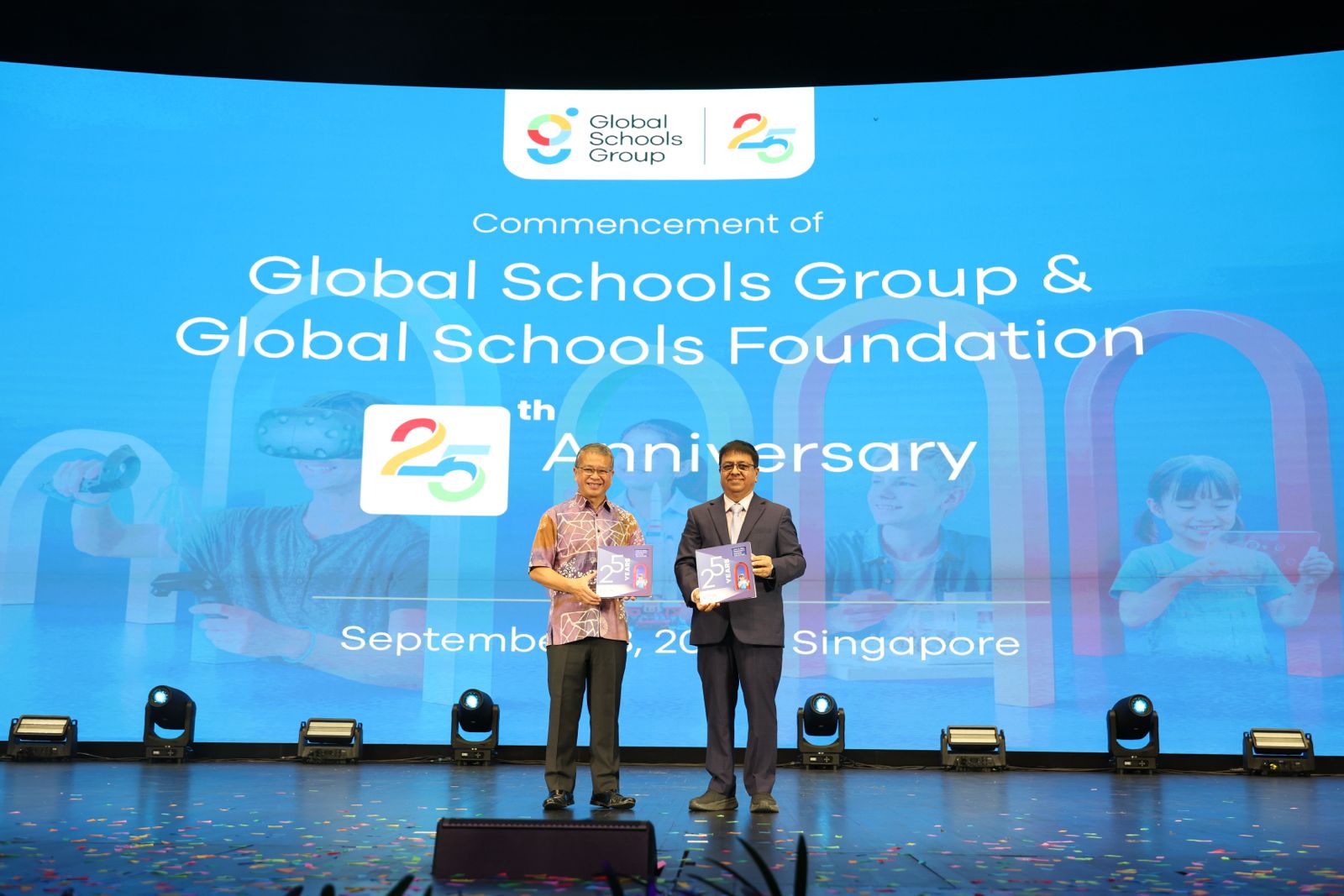
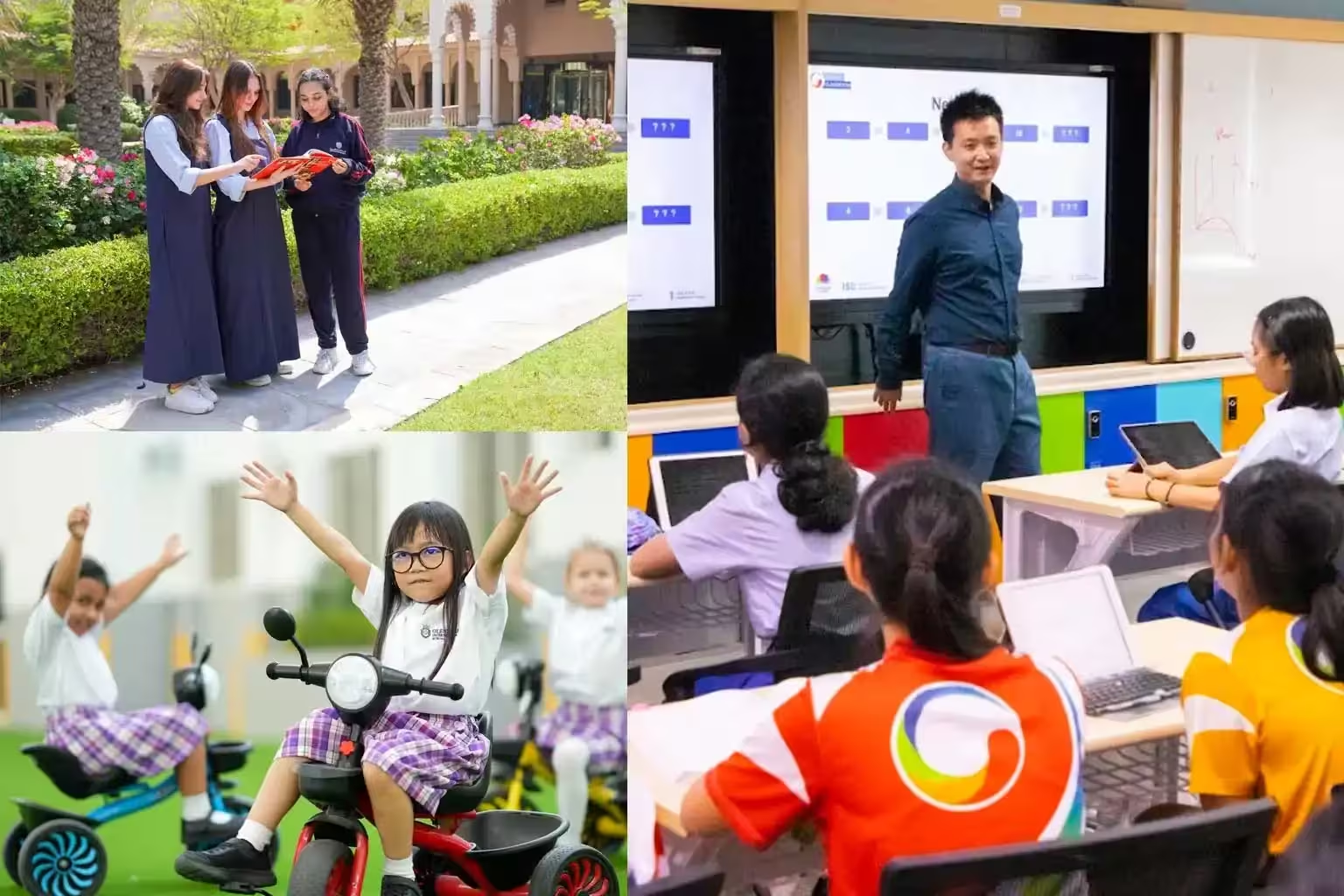
GSG describes a network of 64 campuses across 11 countries, with multiple curricula, over 5,000 faculty and shared resources. This provides an example of a multi-country education model and evidence of investment returns. Its growth has come through a deliberate mix of organic expansion and strategic acquisitions.
This is genuine operational discipline behind the growth story, not just scale for its own sake. Explore GSG’s About page for its background and network model.

Conclusion
Educational funding for schools is well established and institutional interest continues to evolve; but neither market demand nor recurring tuition guarantees a return. The opportunity must be assessed through details like funding structures, enrollment, operating costs, regulation and the ability to maintain quality as an organisation grows.
For investors, outcomes are most meaningful when they are measurable and considered alongside the capital and risks involved.
GSG’s international network offers a perspective on operating across curricula and countries. Explore GSG’s milestones and GSG Edge to learn more about its network and educational model.